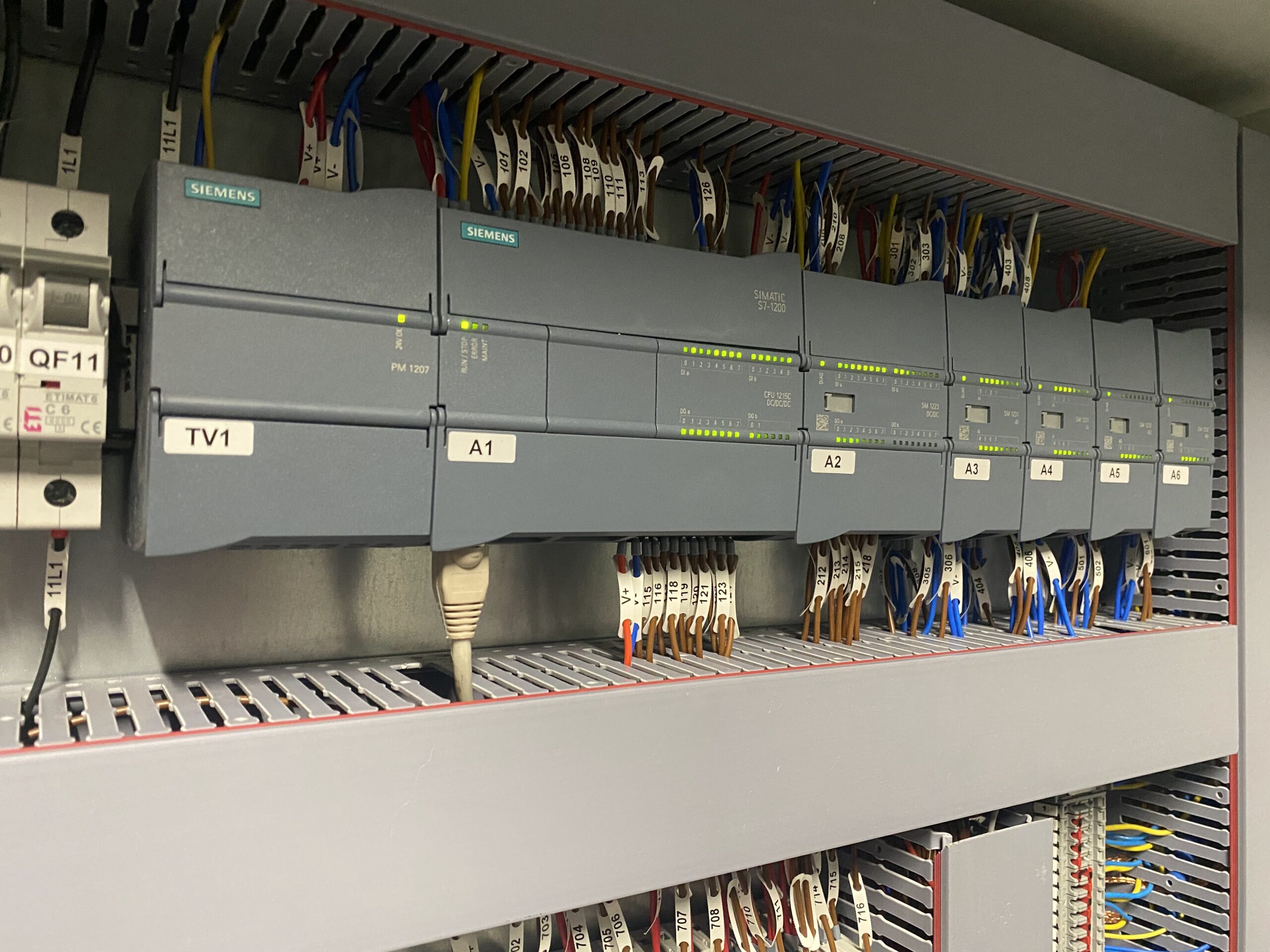
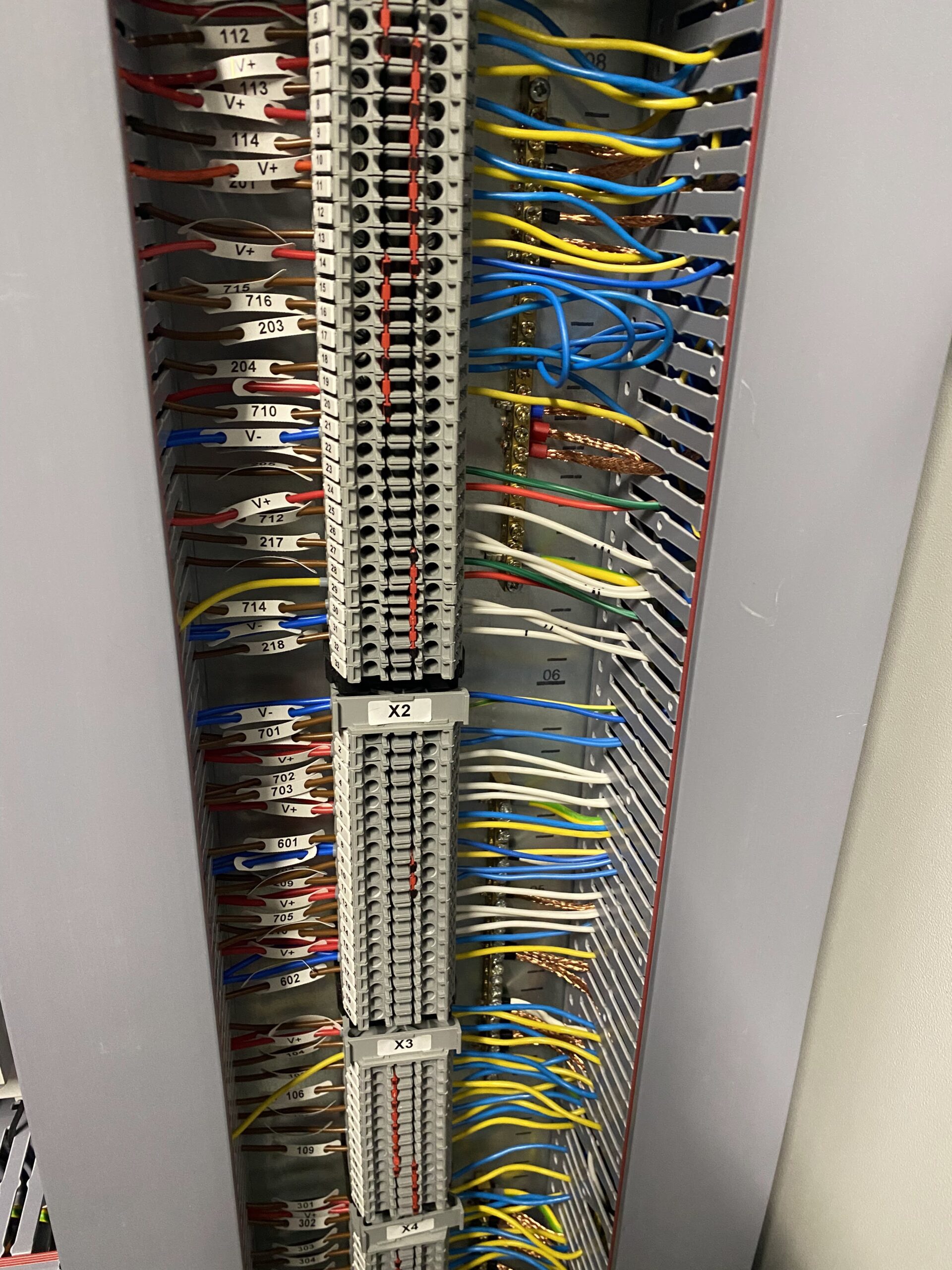
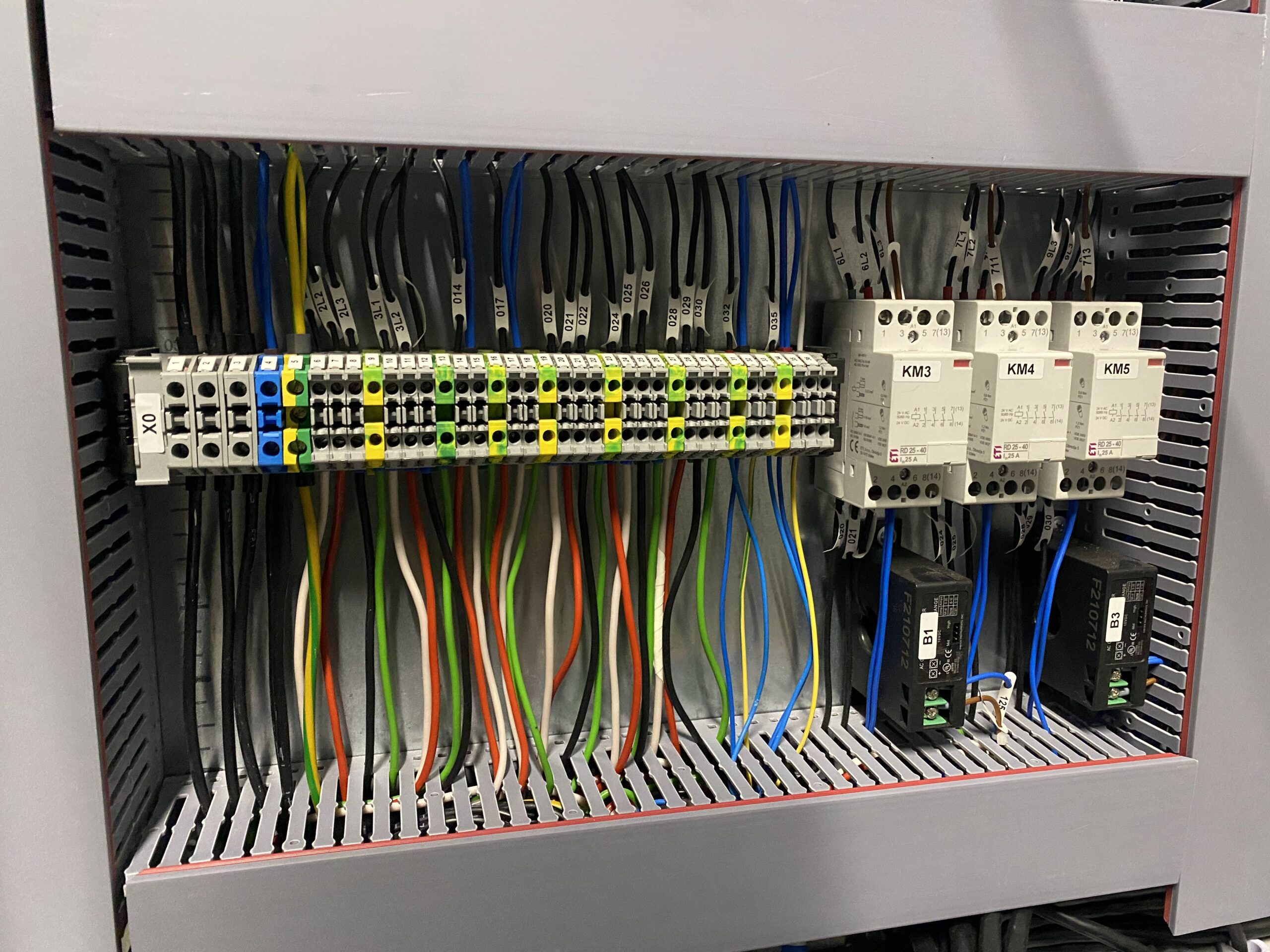
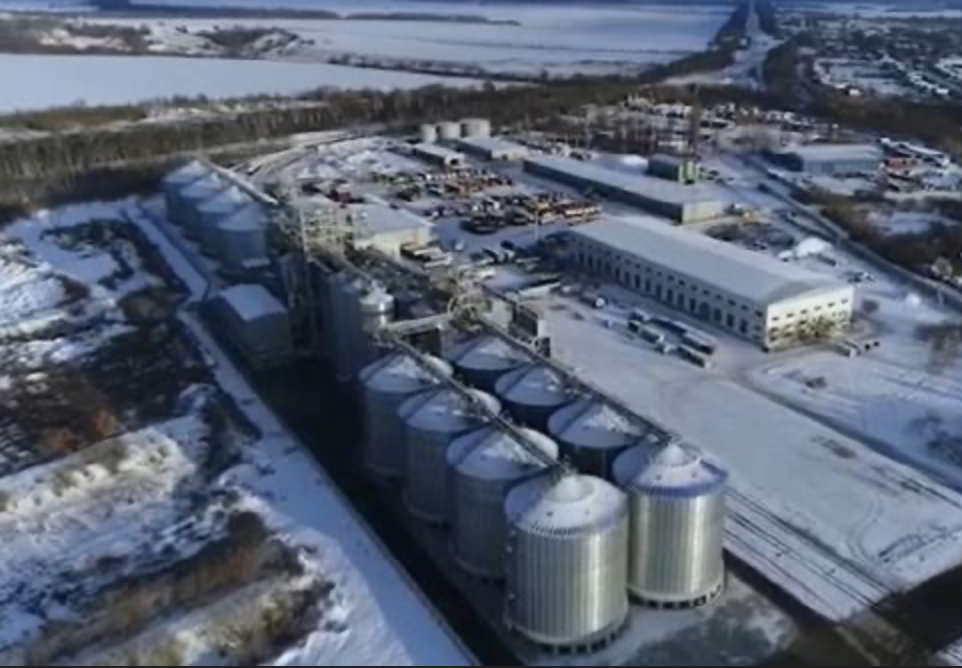
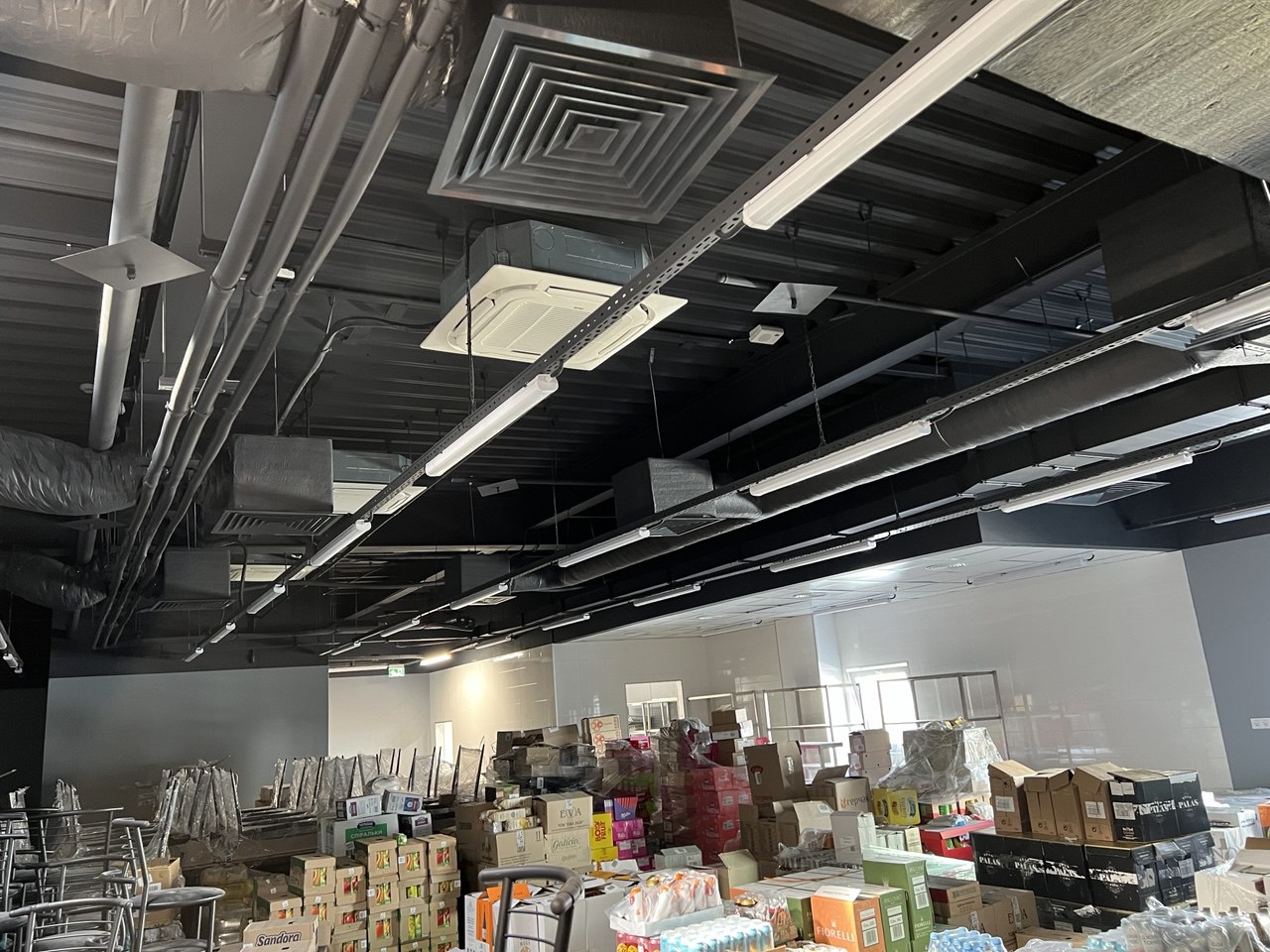
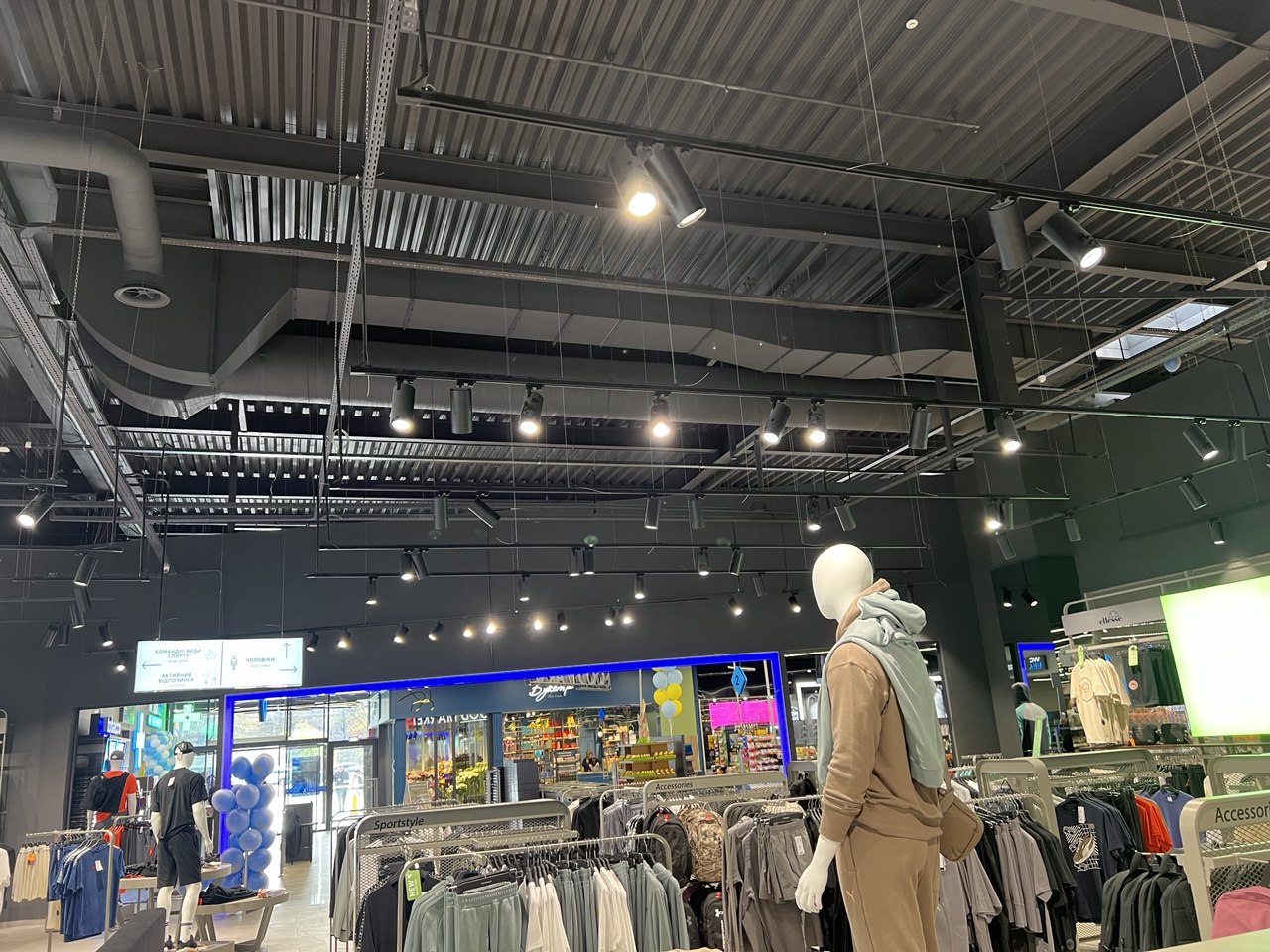
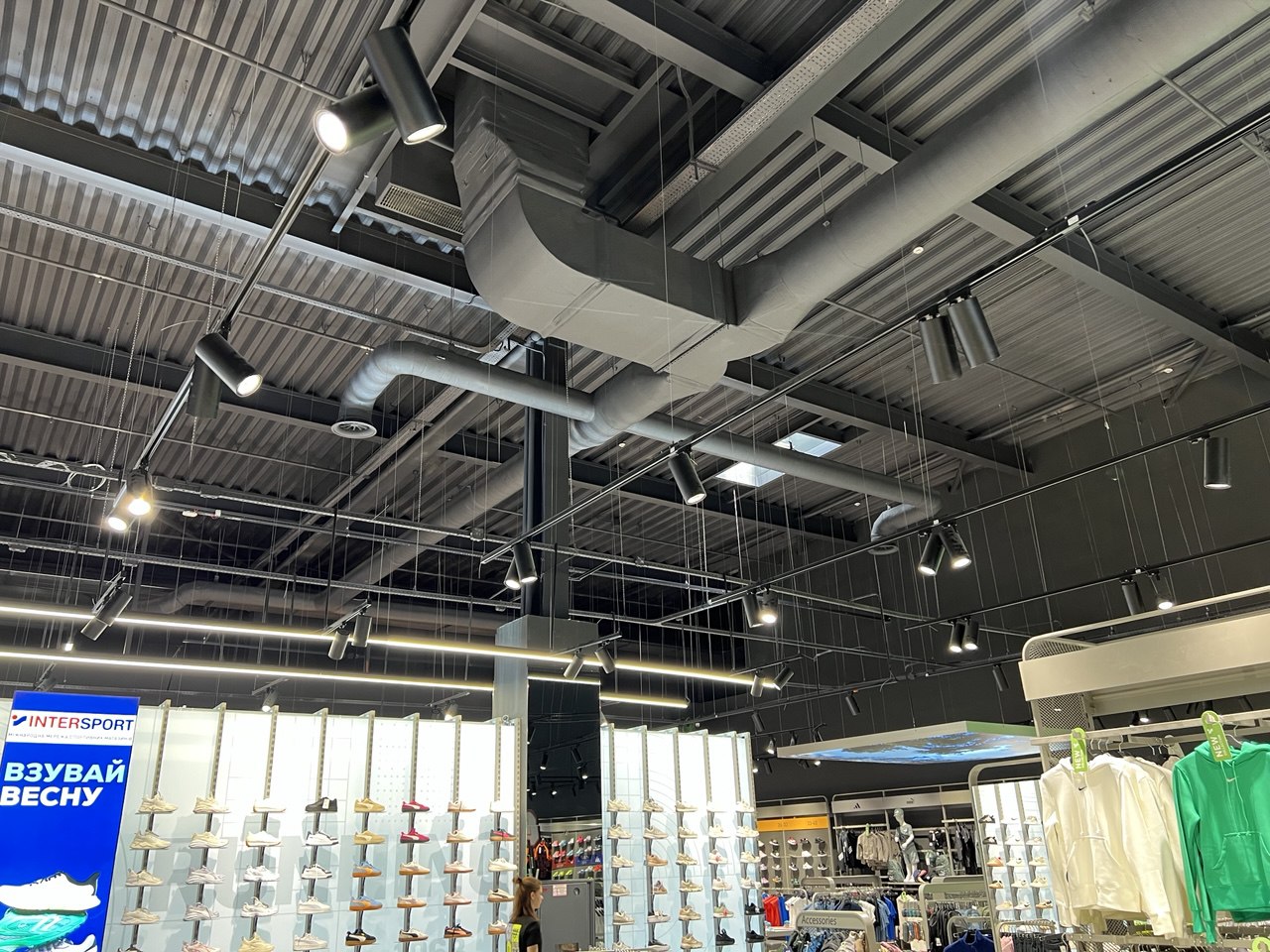
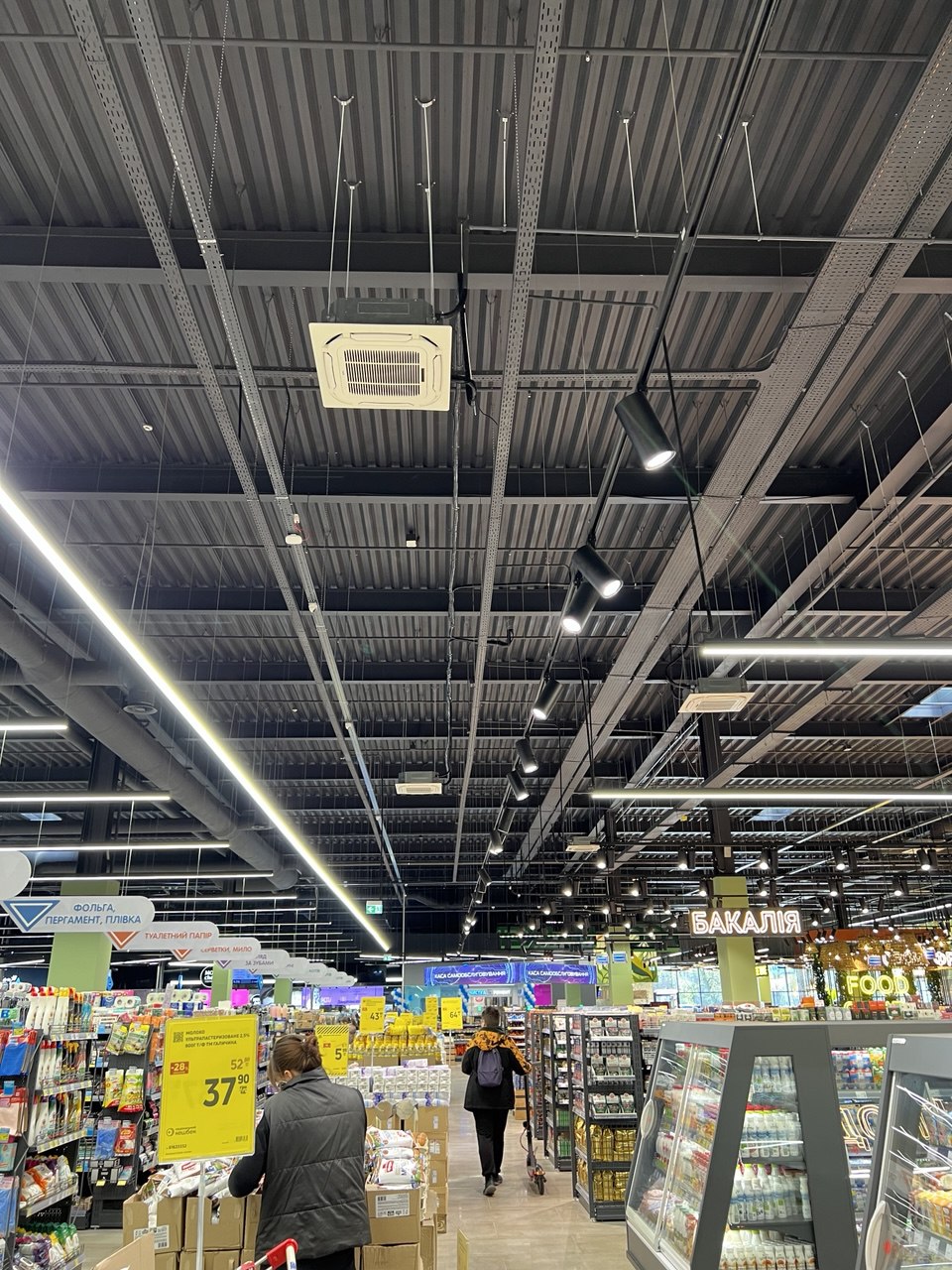
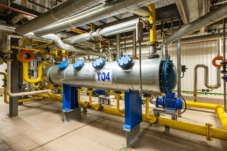
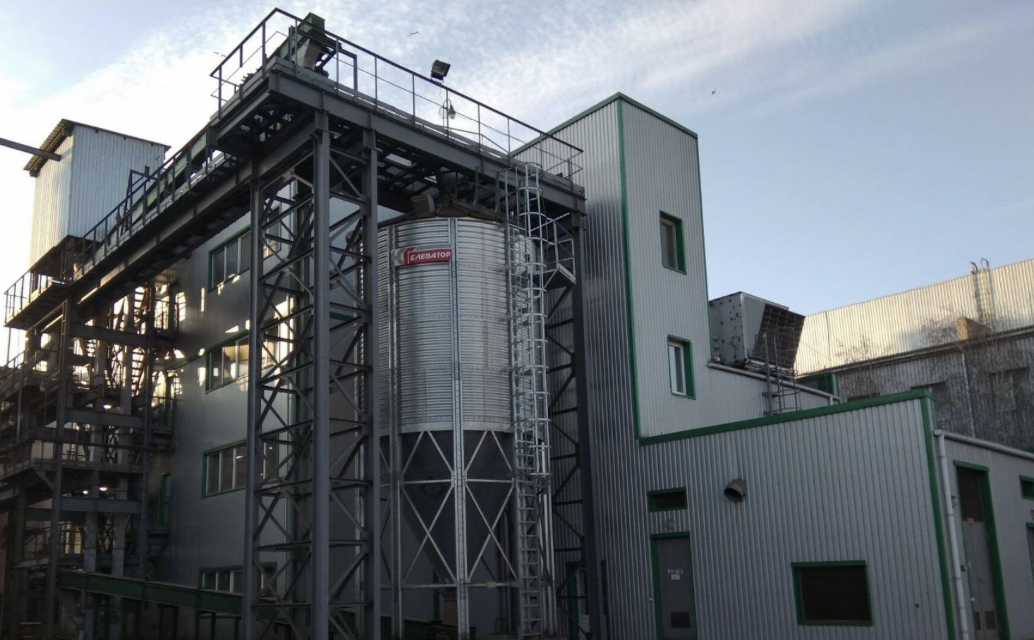
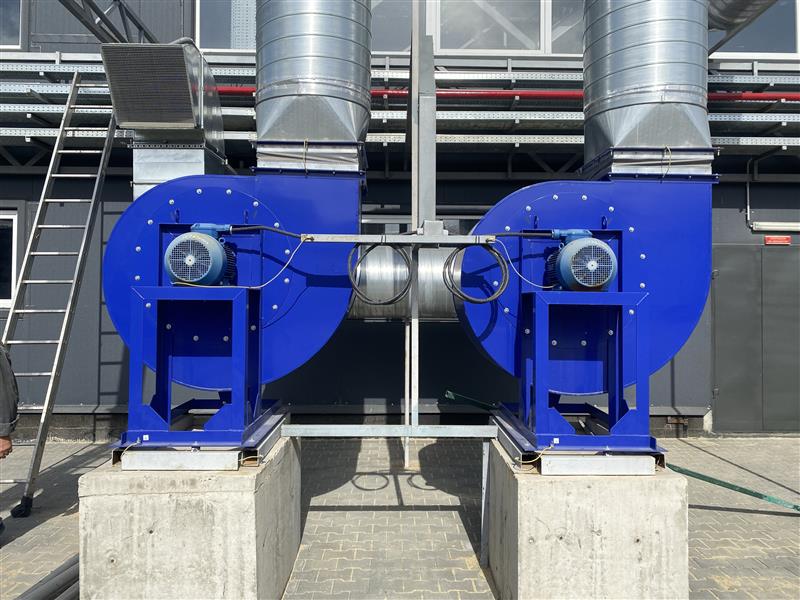
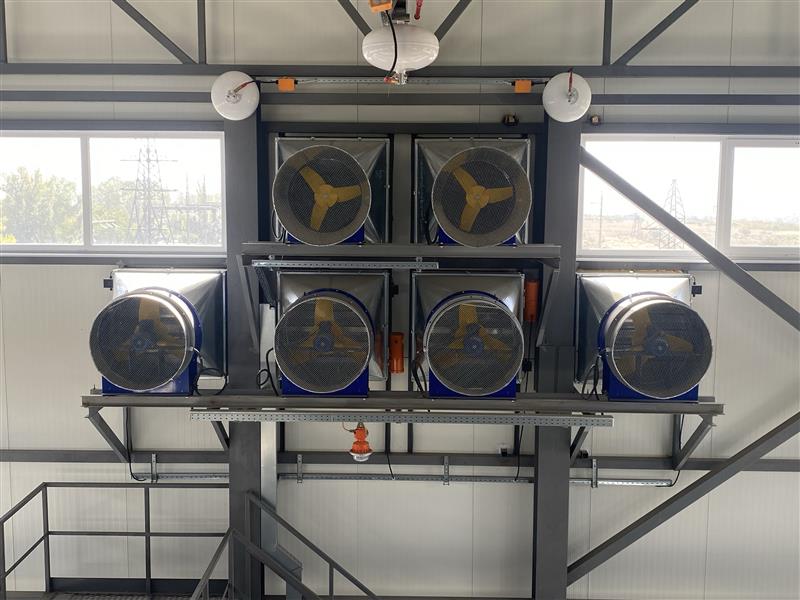
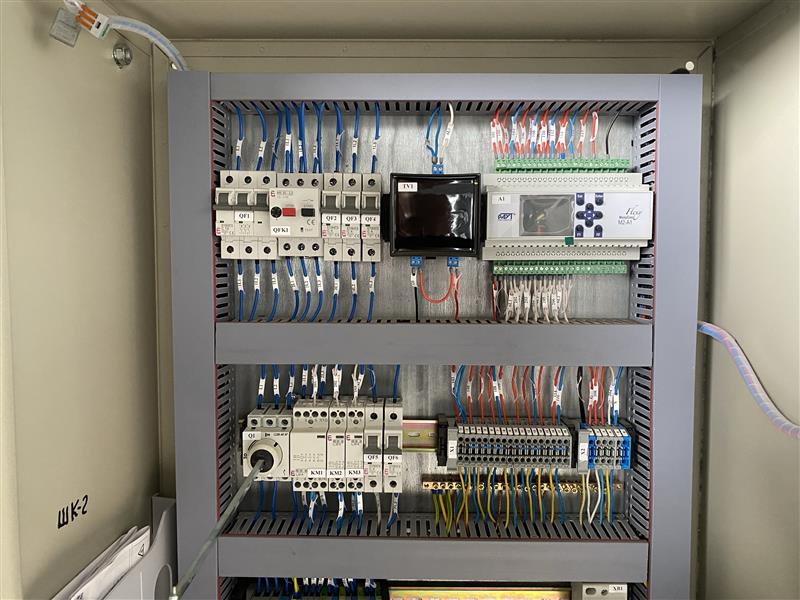
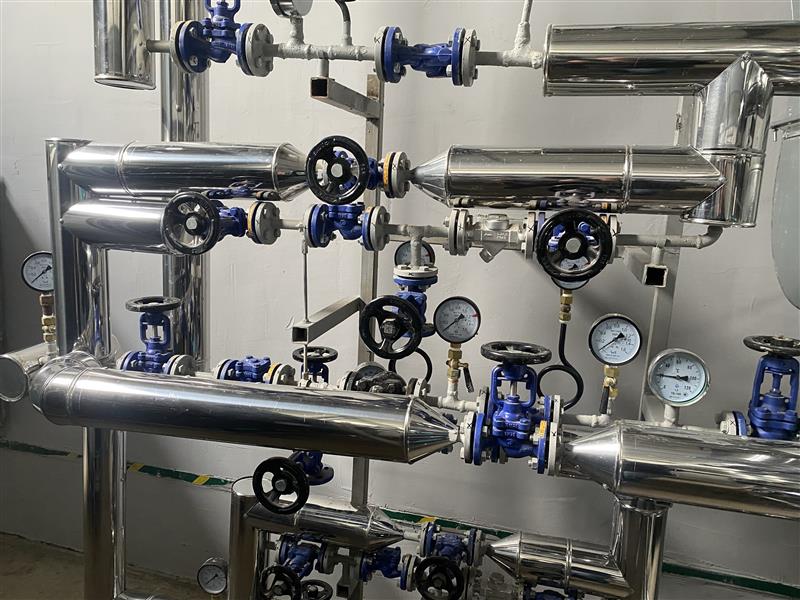
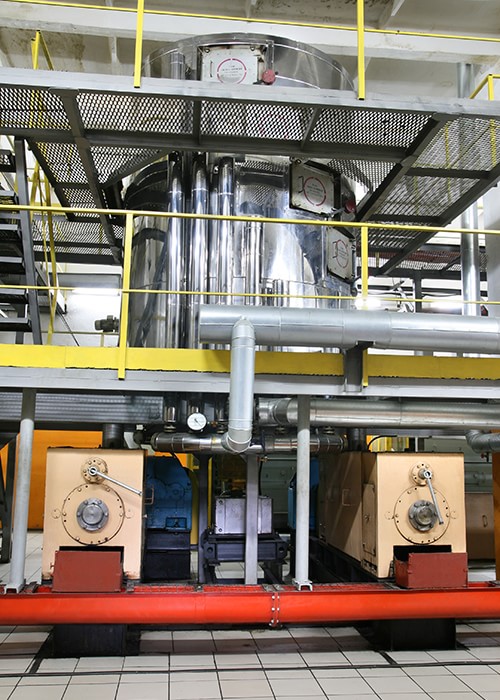
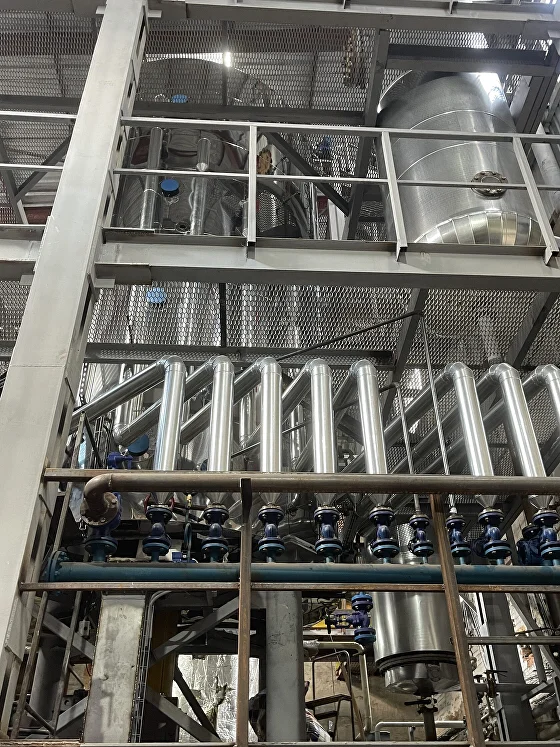
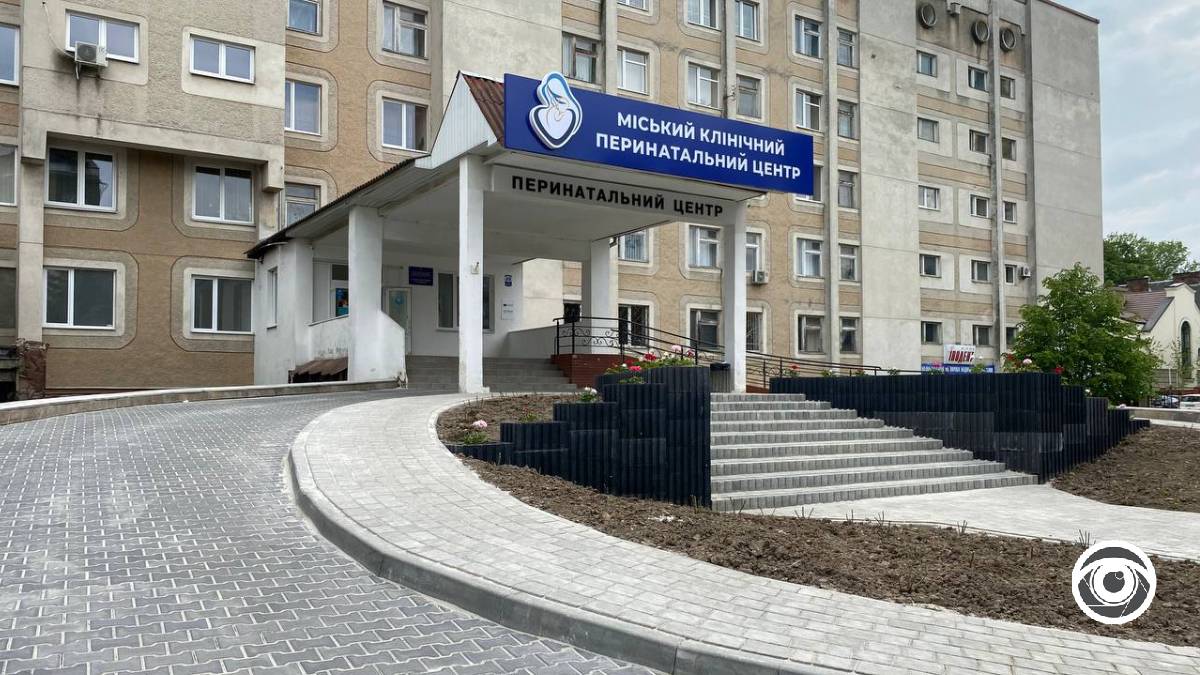
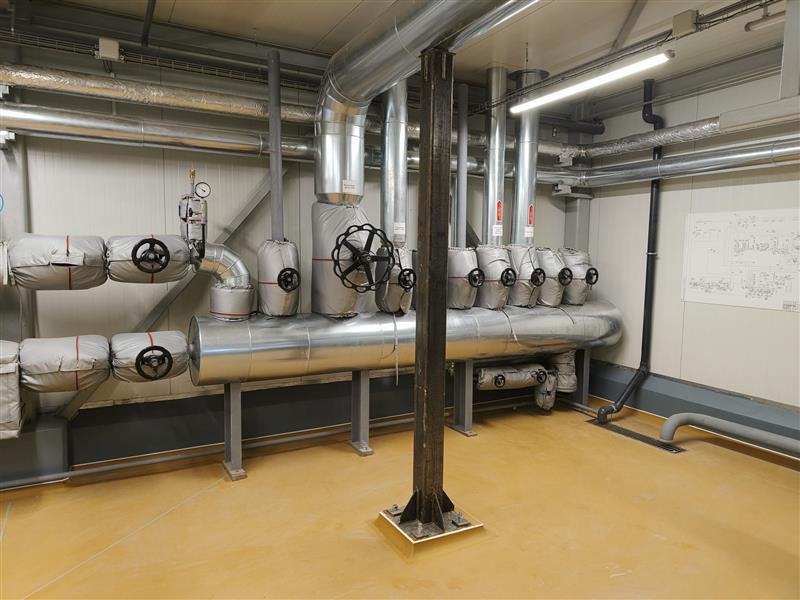
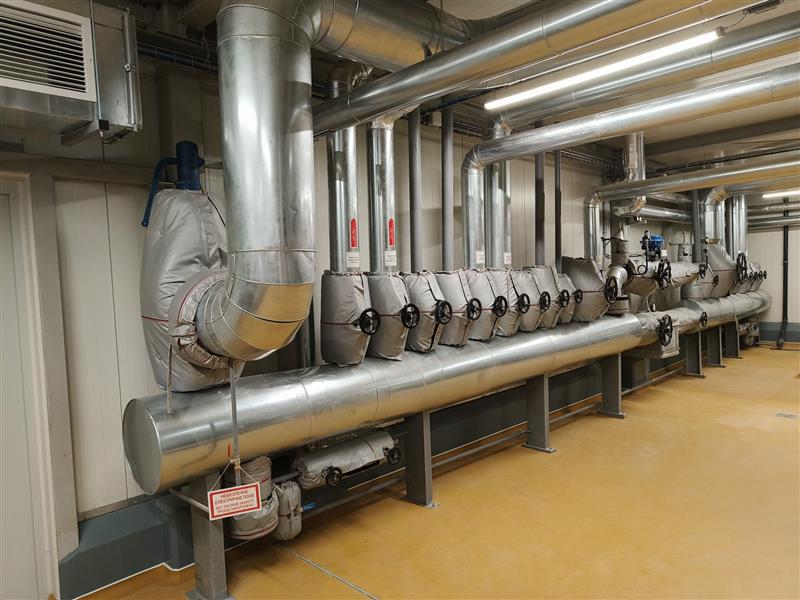
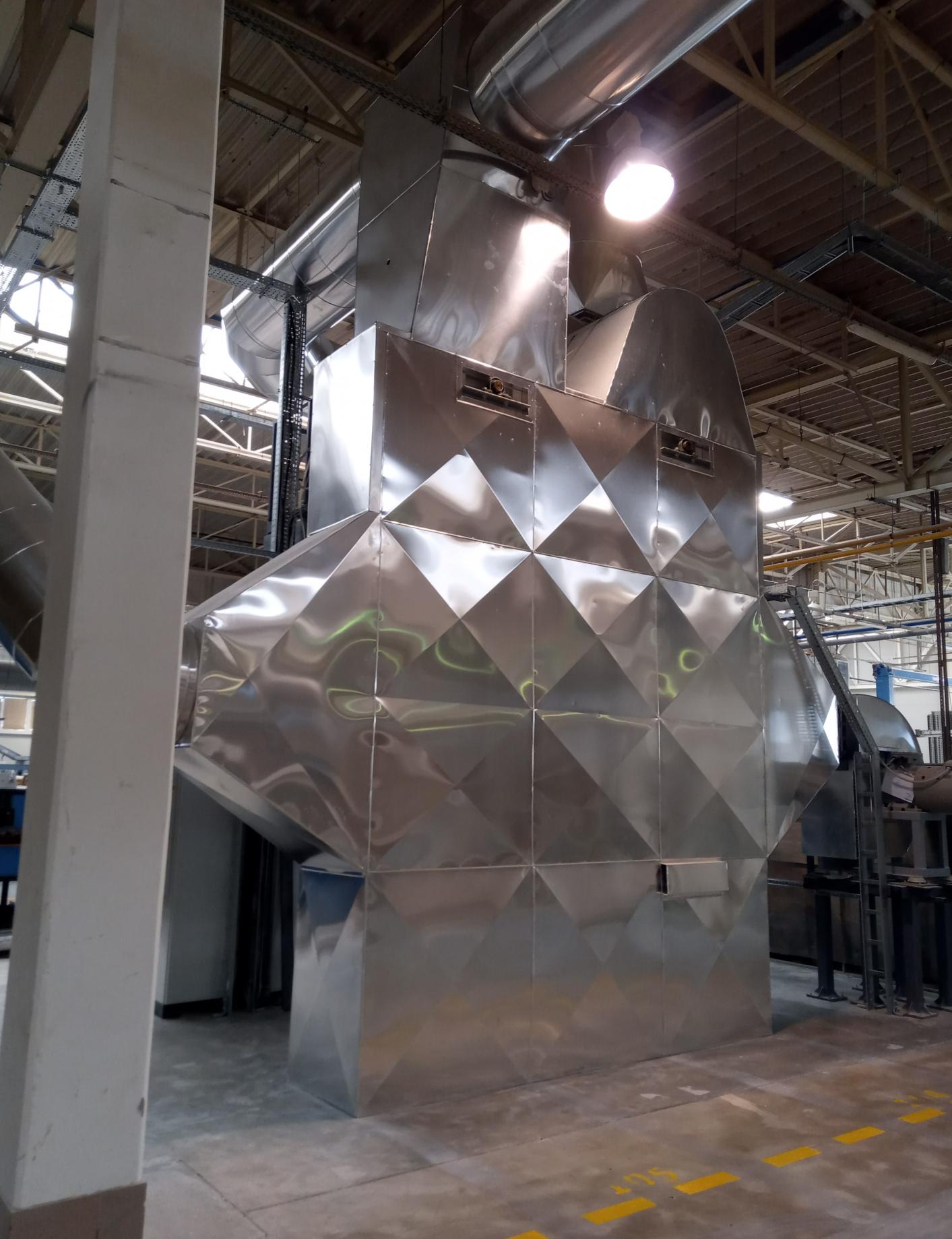
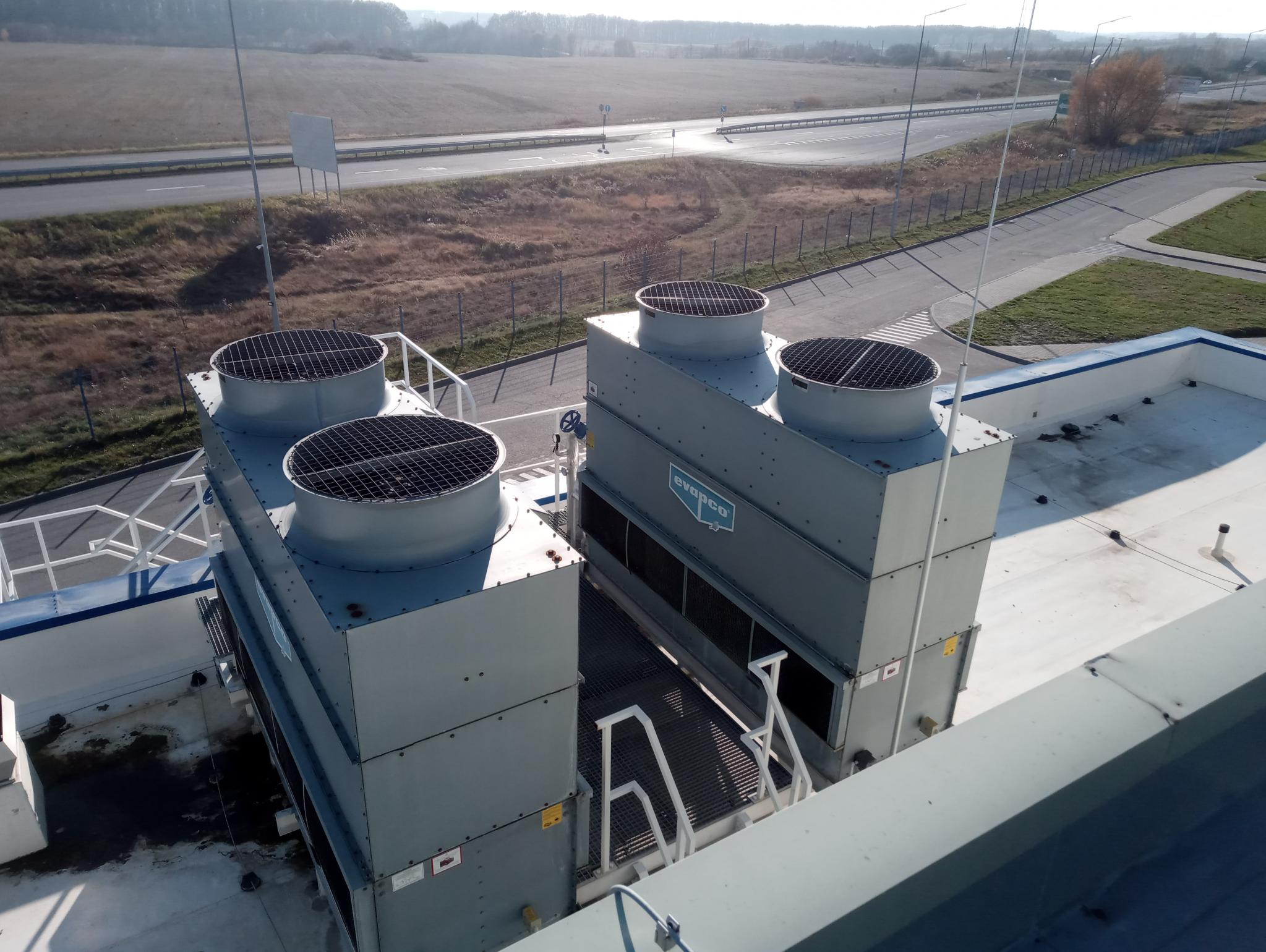
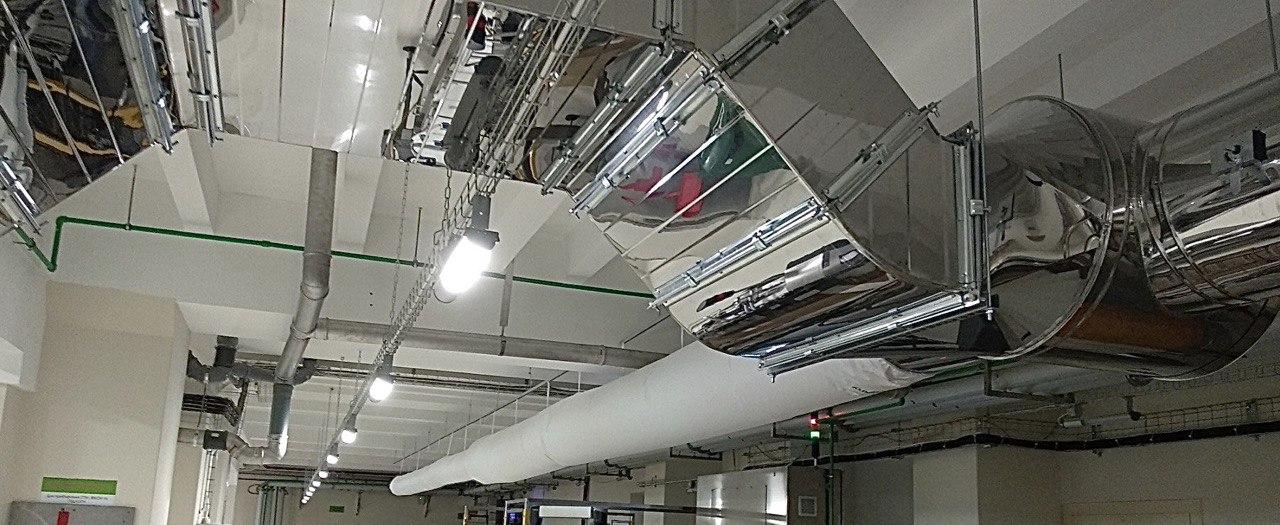
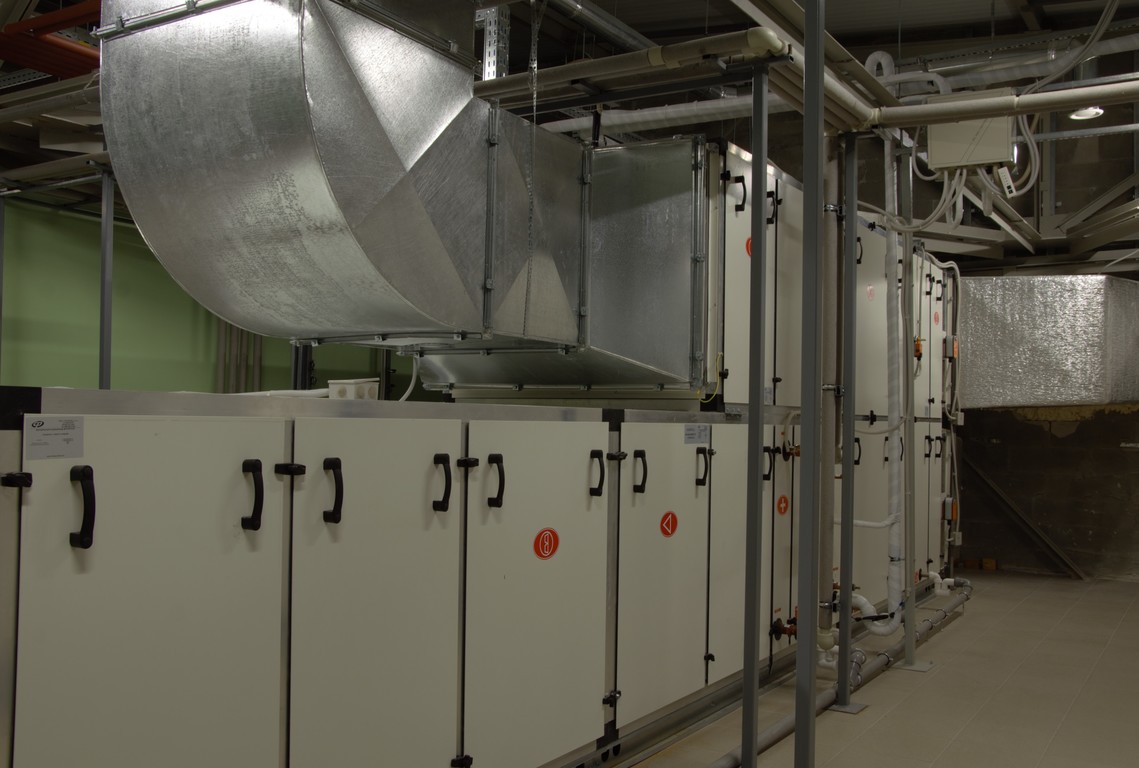
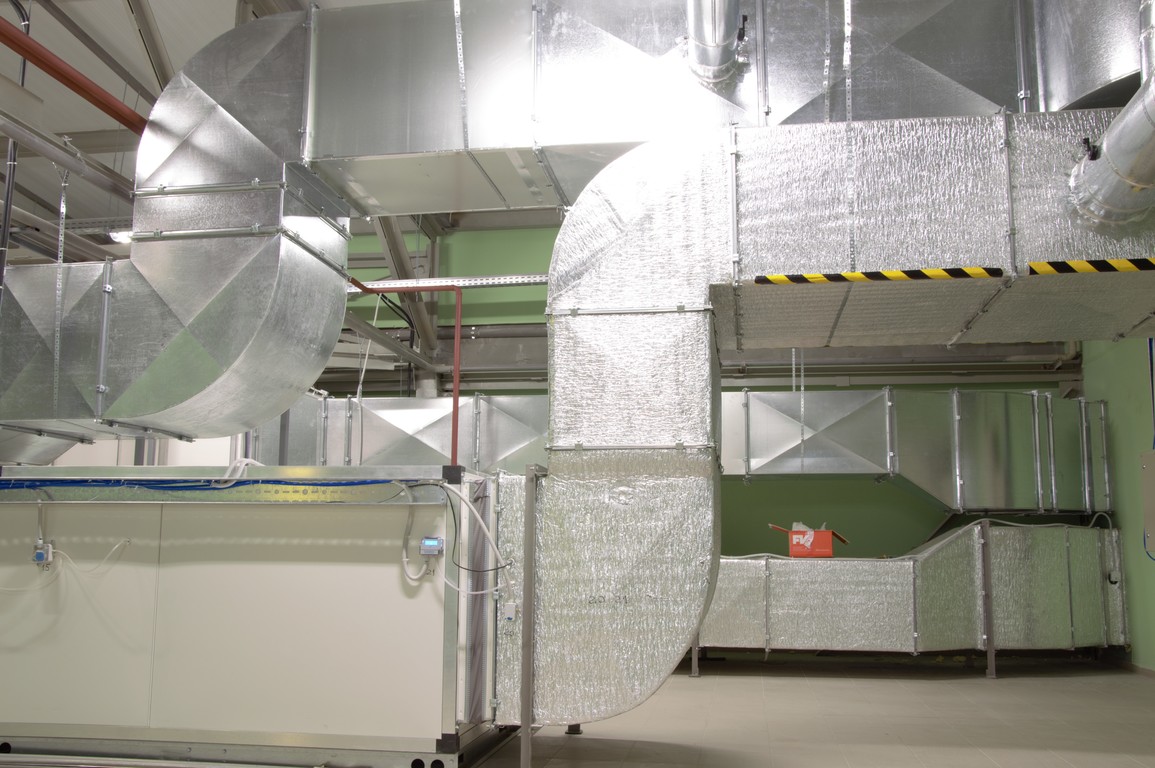
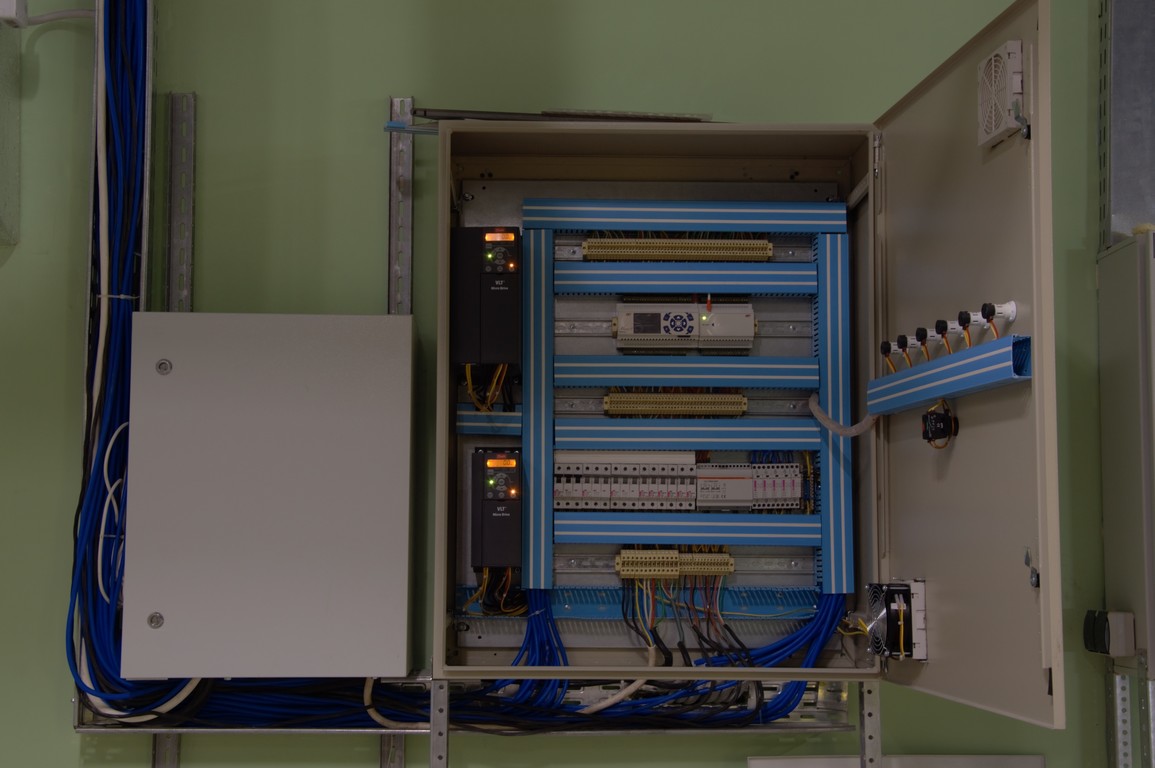
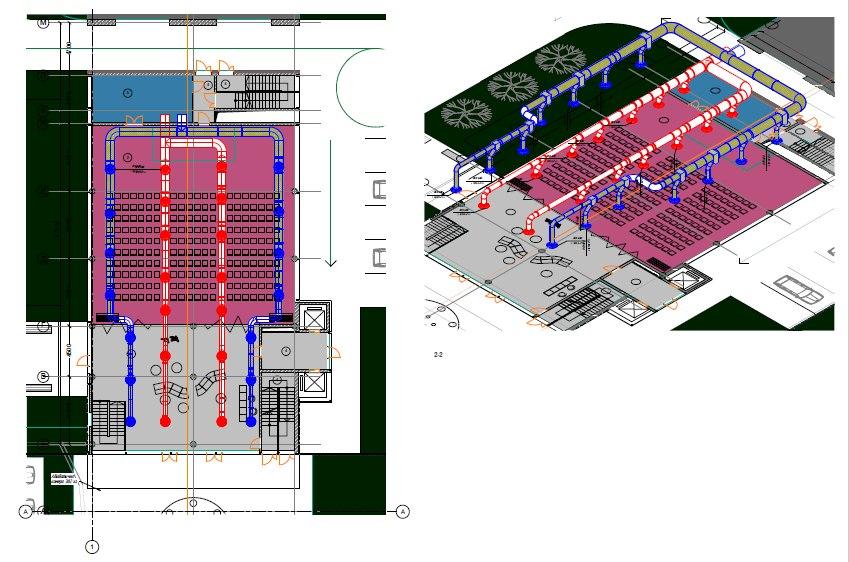
ProfІnstall employees have many years of experience in building automation systems for industrial facilities and civil buildings. To achieve the expected result for each customer, automation systems are developed with an individual approach. Depending on the tasks and budget, we can build automation systems ranging from the simplest, based on standard controllers, to the most complex and sophisticated systems based on freely programmable controllers.
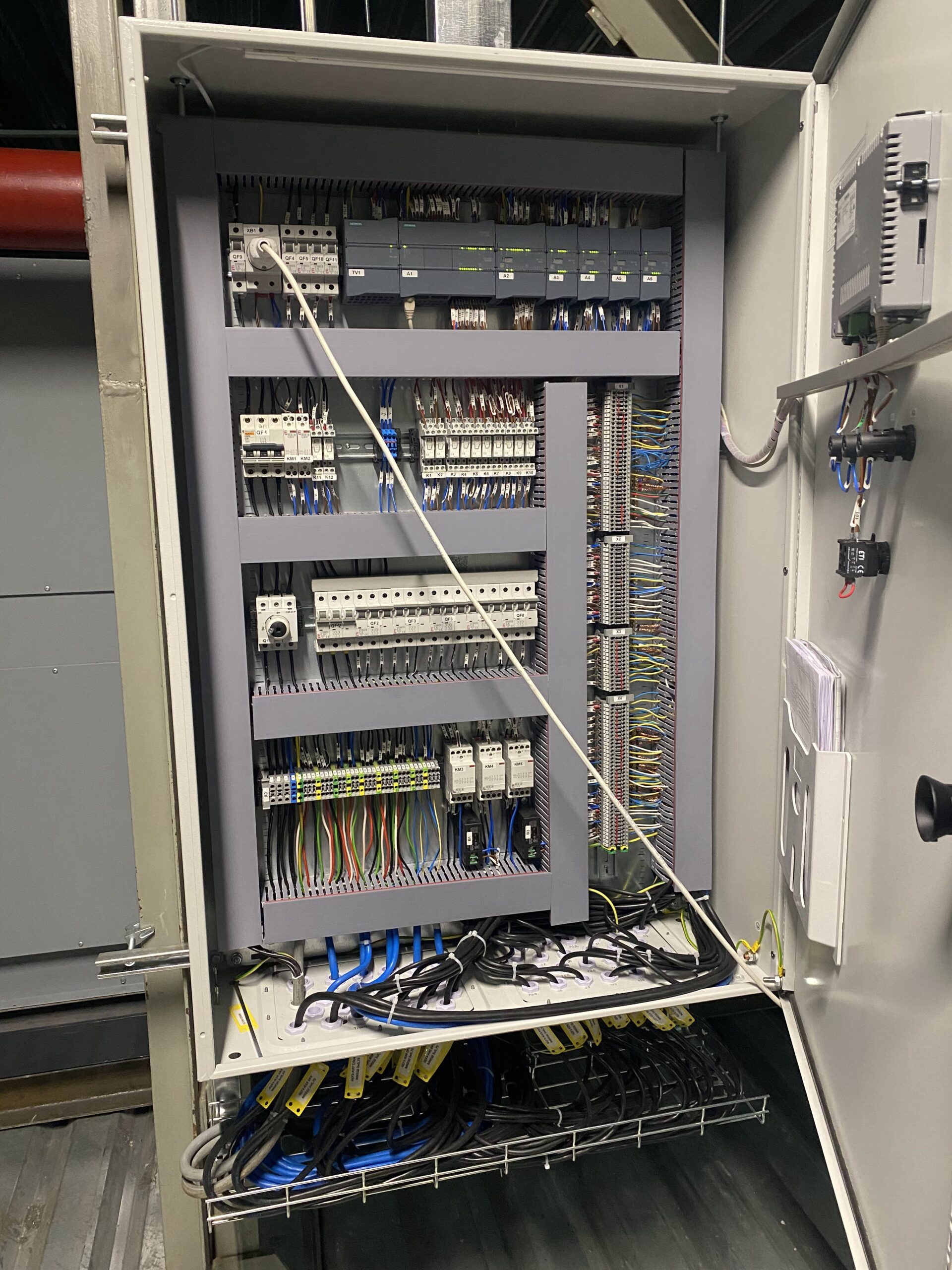
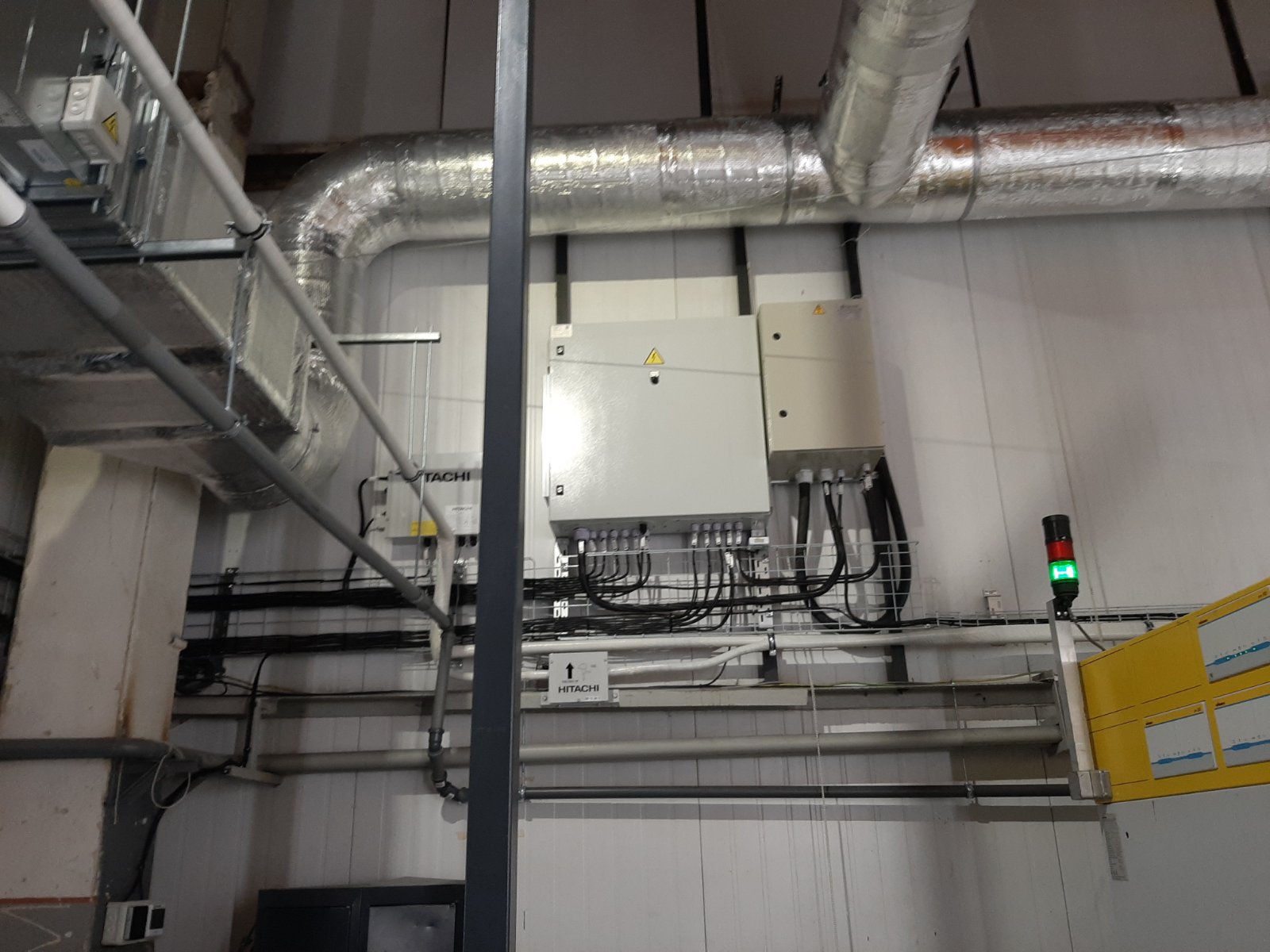
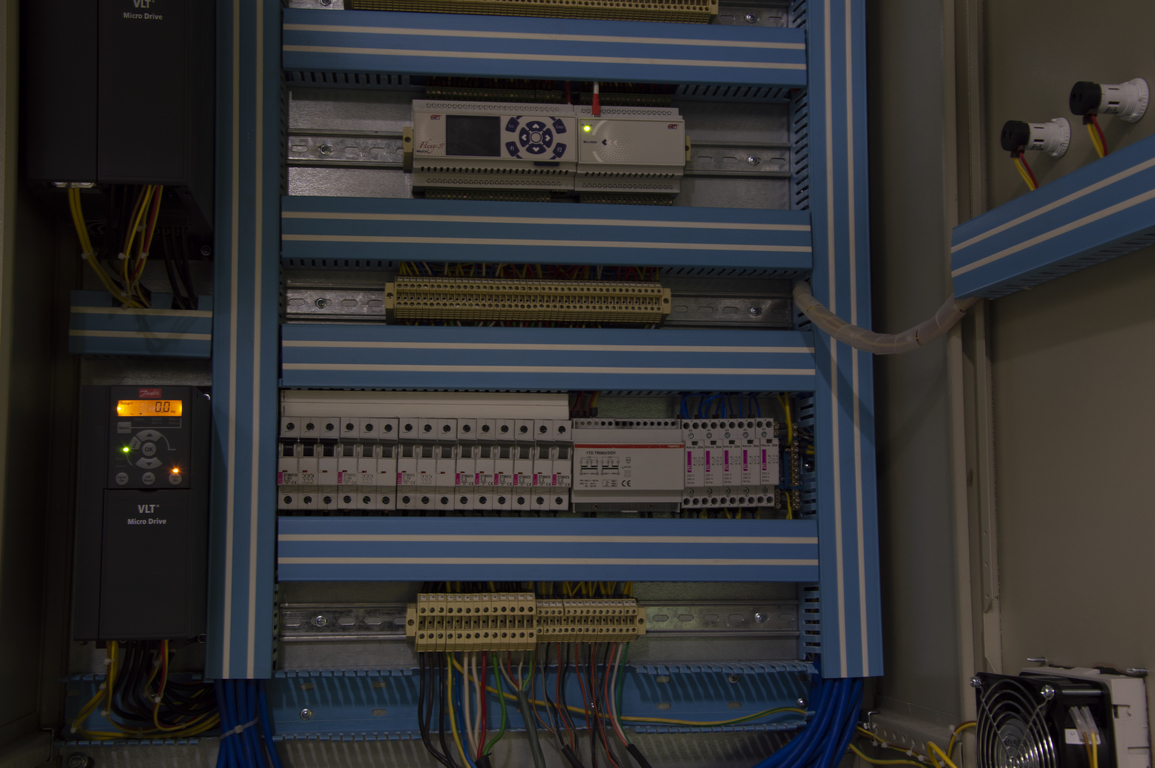
The engineering company Profinstal LLC performs a full range of automation works – design, programming of controllers and dispatching systems, assembly of automation cabinets, installation at the customer’s site, commissioning of automated systems.
Automation of building engineering systems is a software and hardware complex that provides fully autonomous control of engineering systems and protection of engineering equipment.
Automation of life support engineering systems (lighting and power supply, water supply, heating, ventilation and air conditioning) makes it possible to significantly reduce building operating costs through coordinated process management, as well as to improve safety by preventing emergencies and avoiding the influence of the “human factor.”
In modern buildings, the operation of the following engineering systems is automated:
- power supply;
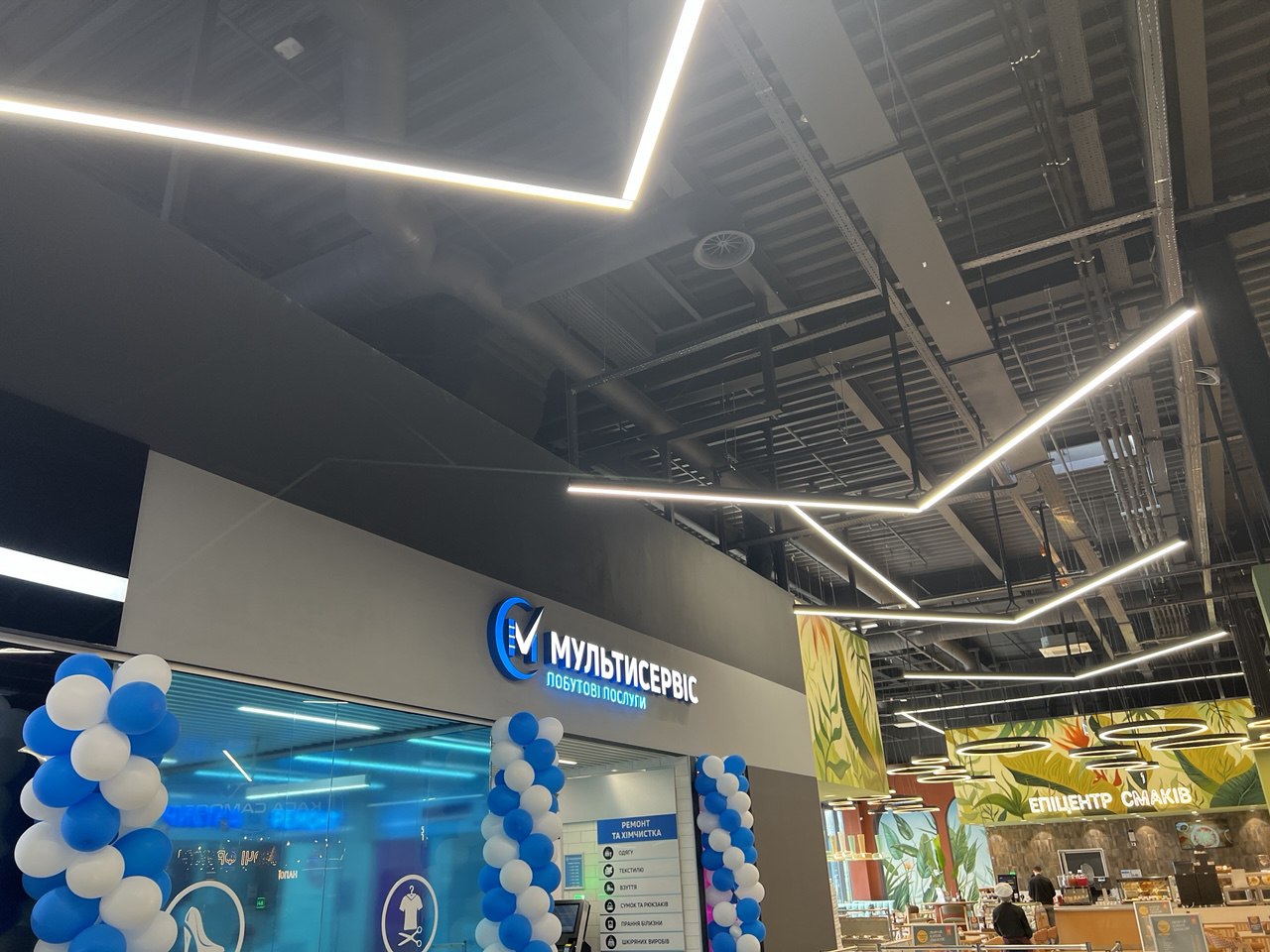
- electric lighting;
- water supply;
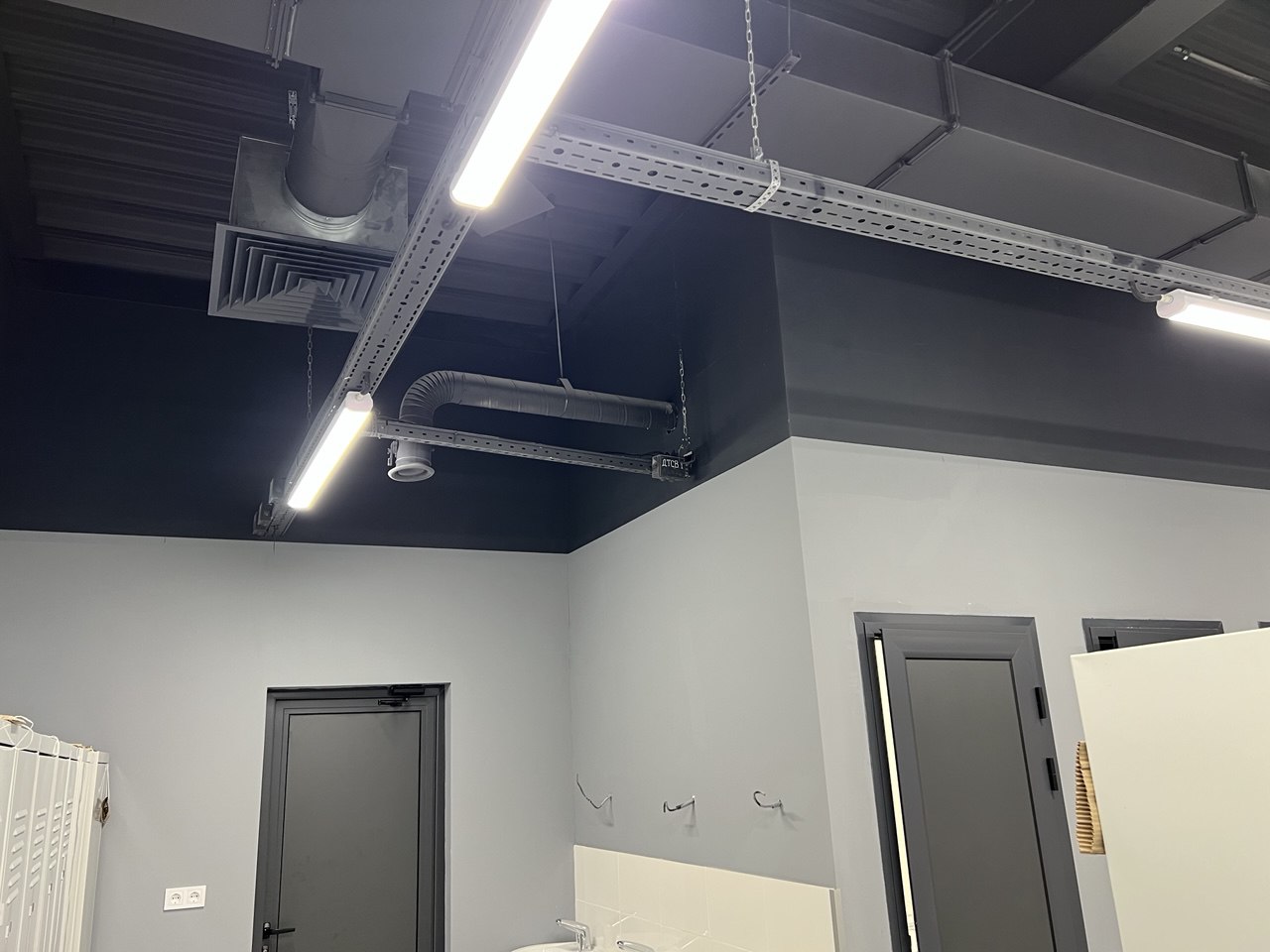
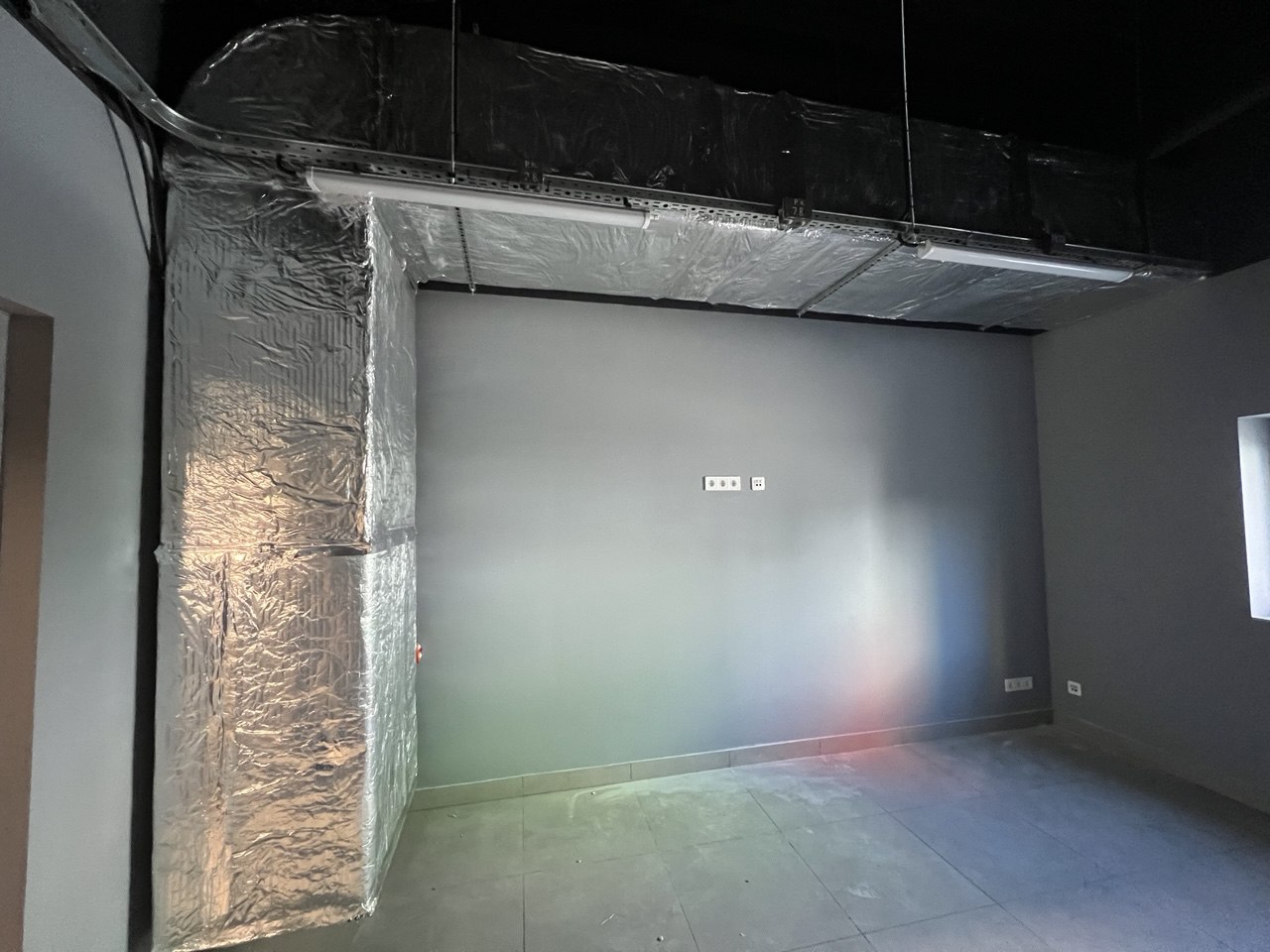
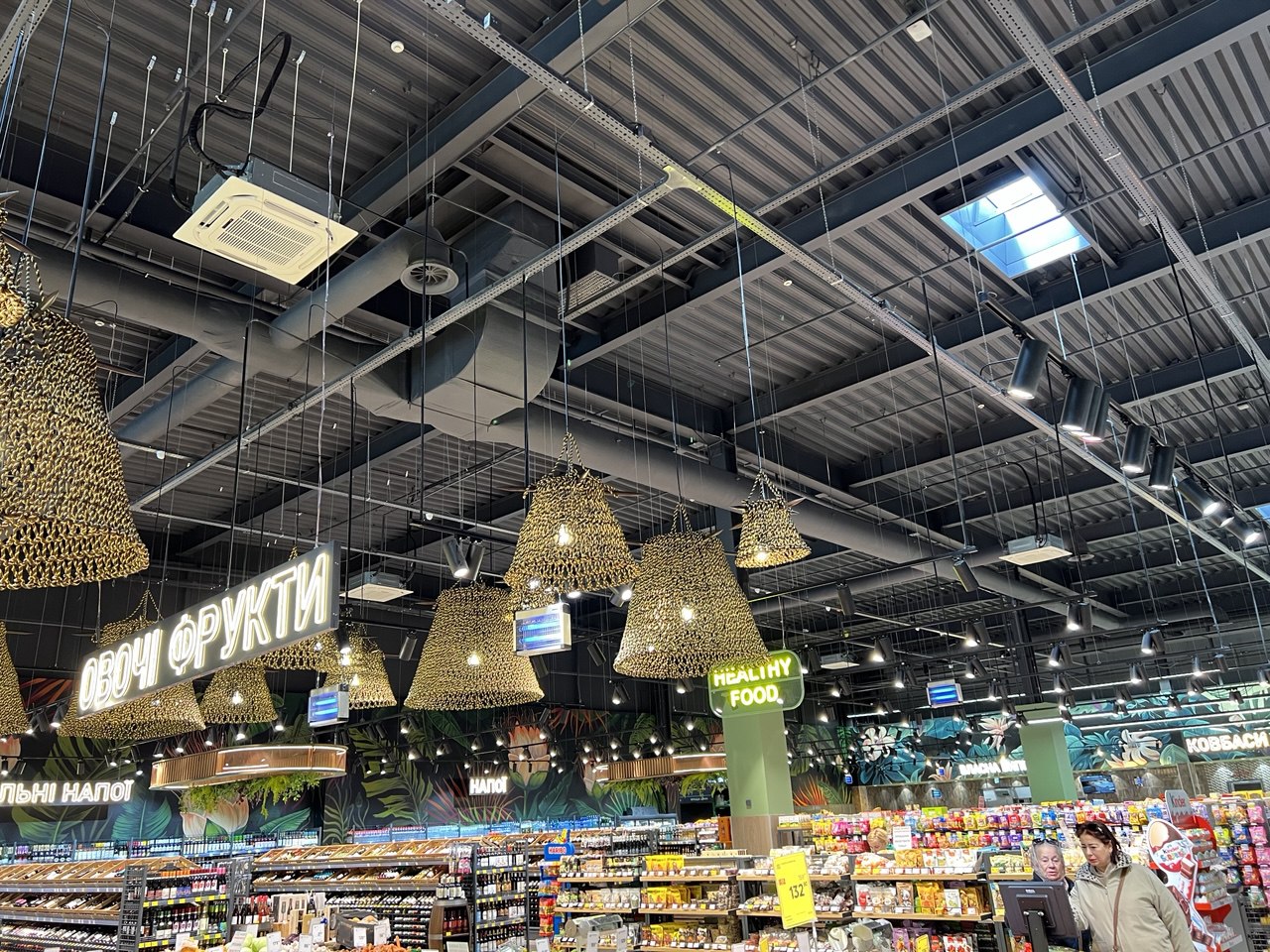
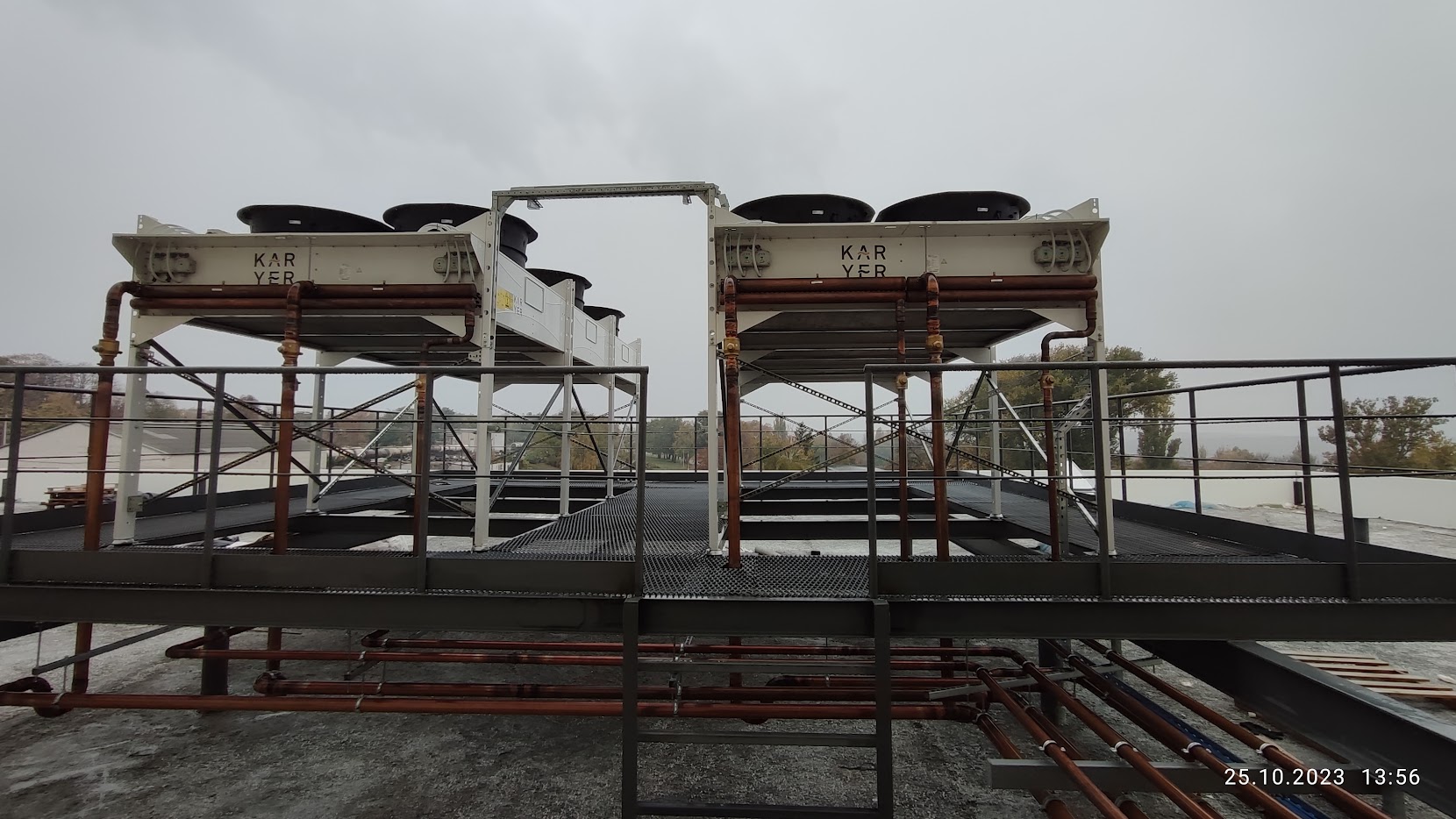
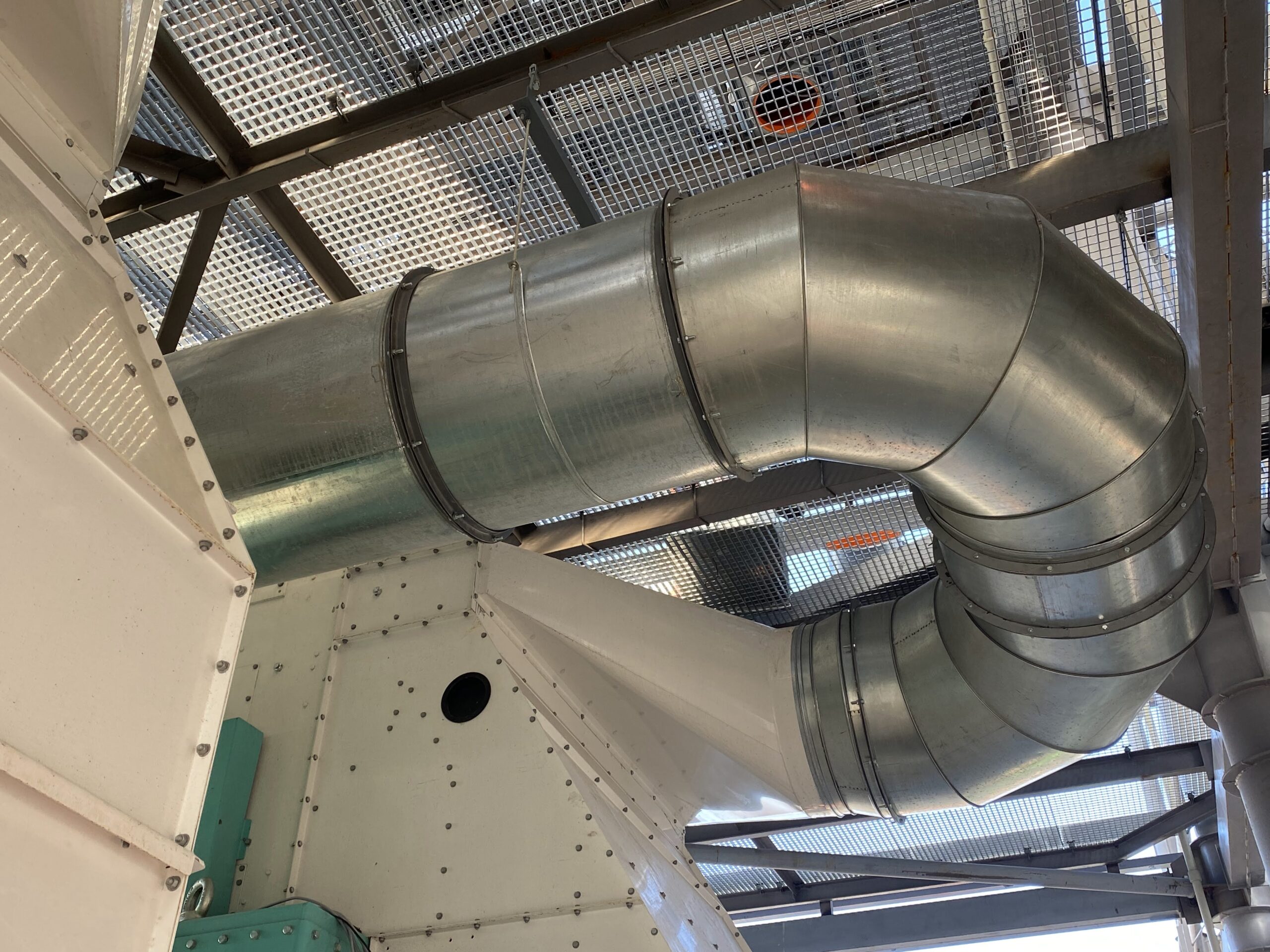
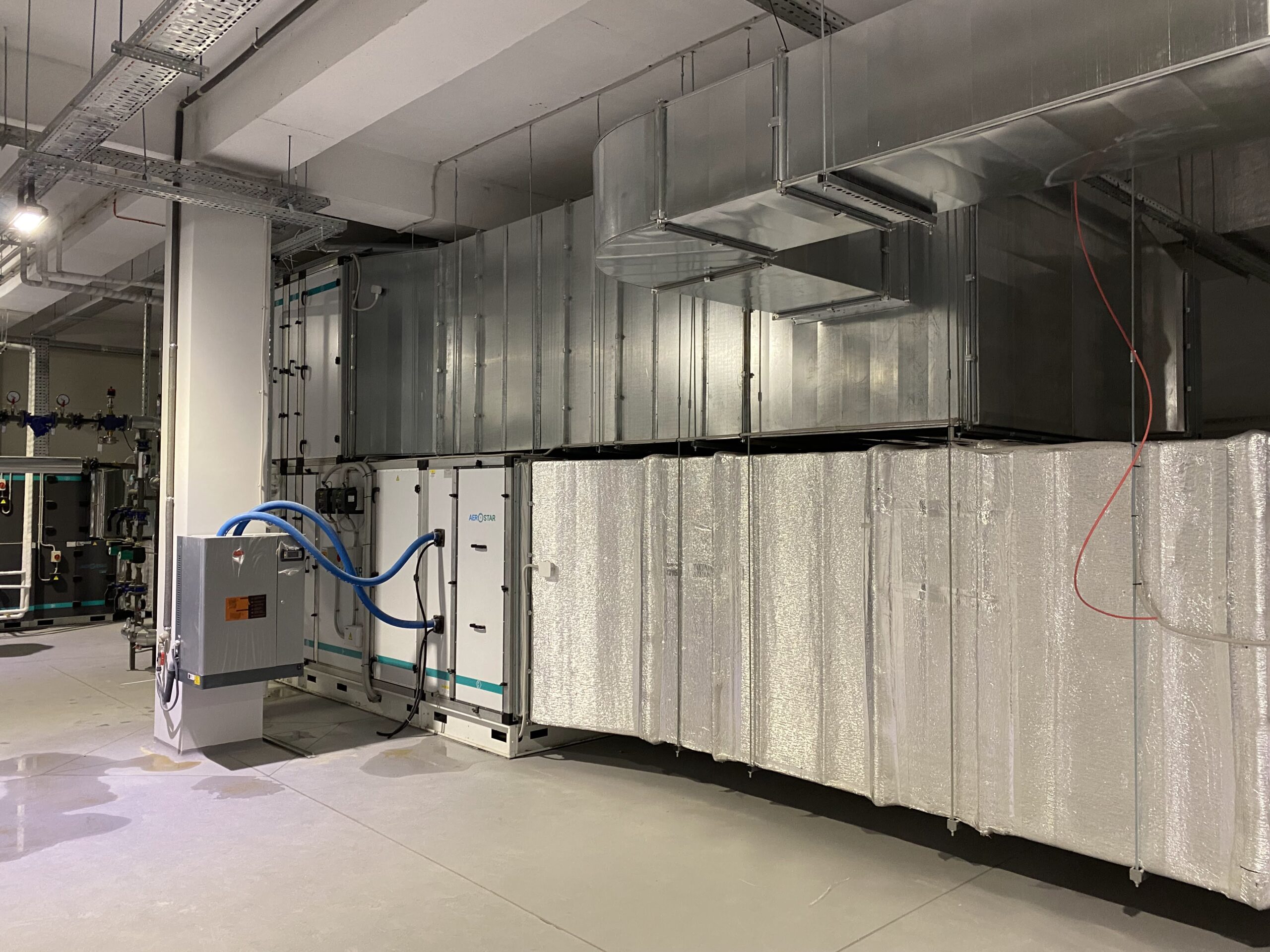
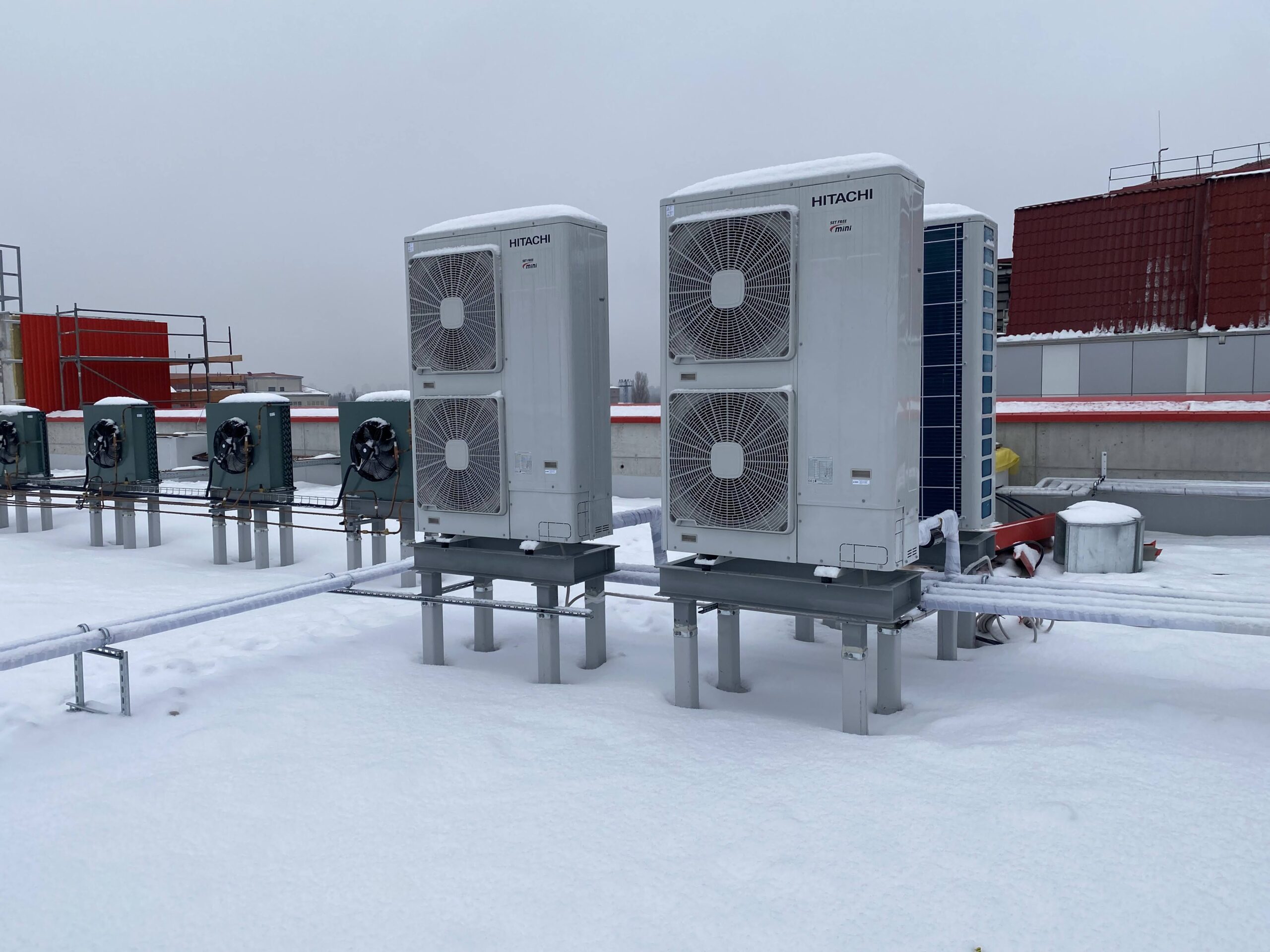
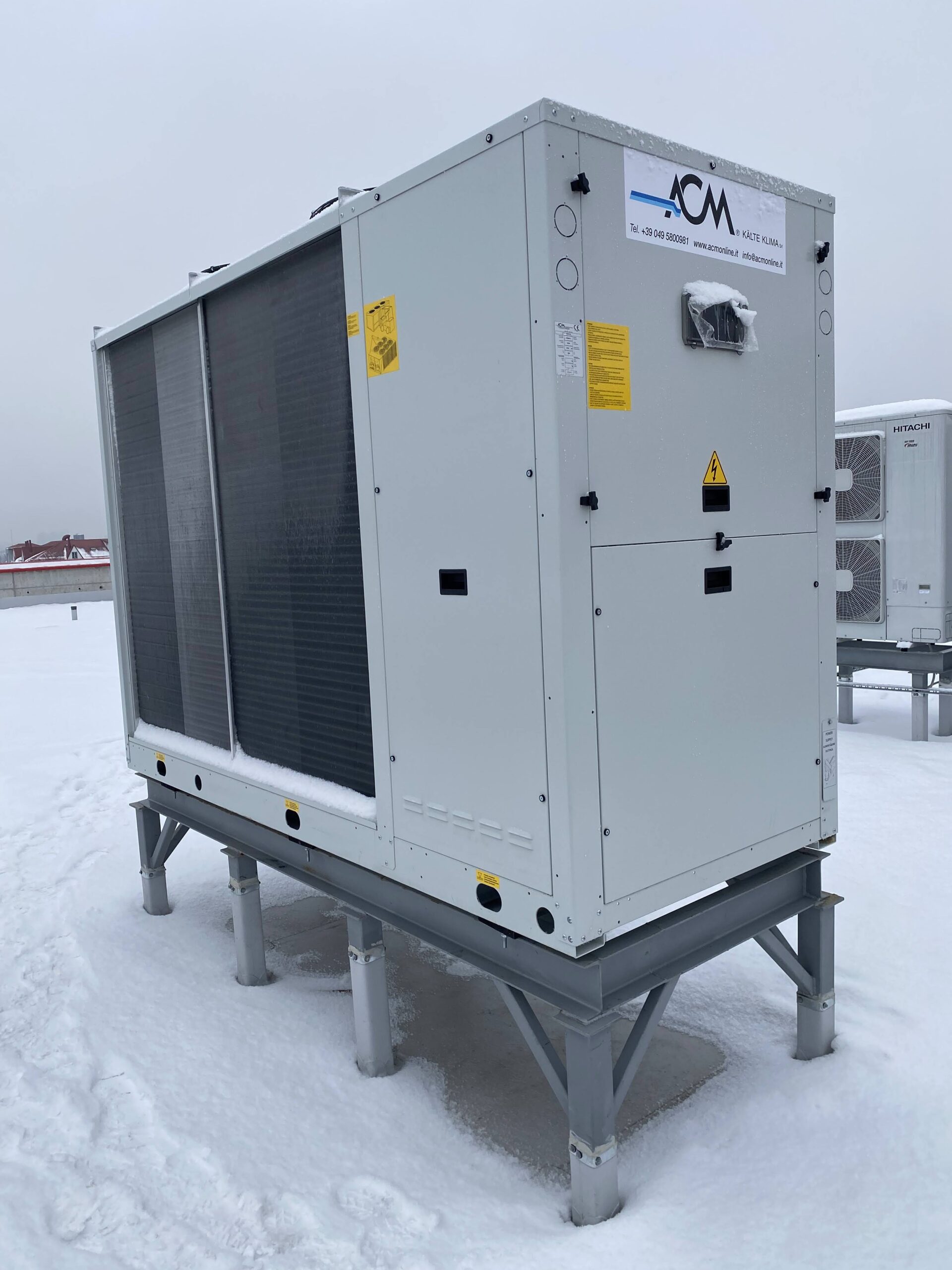
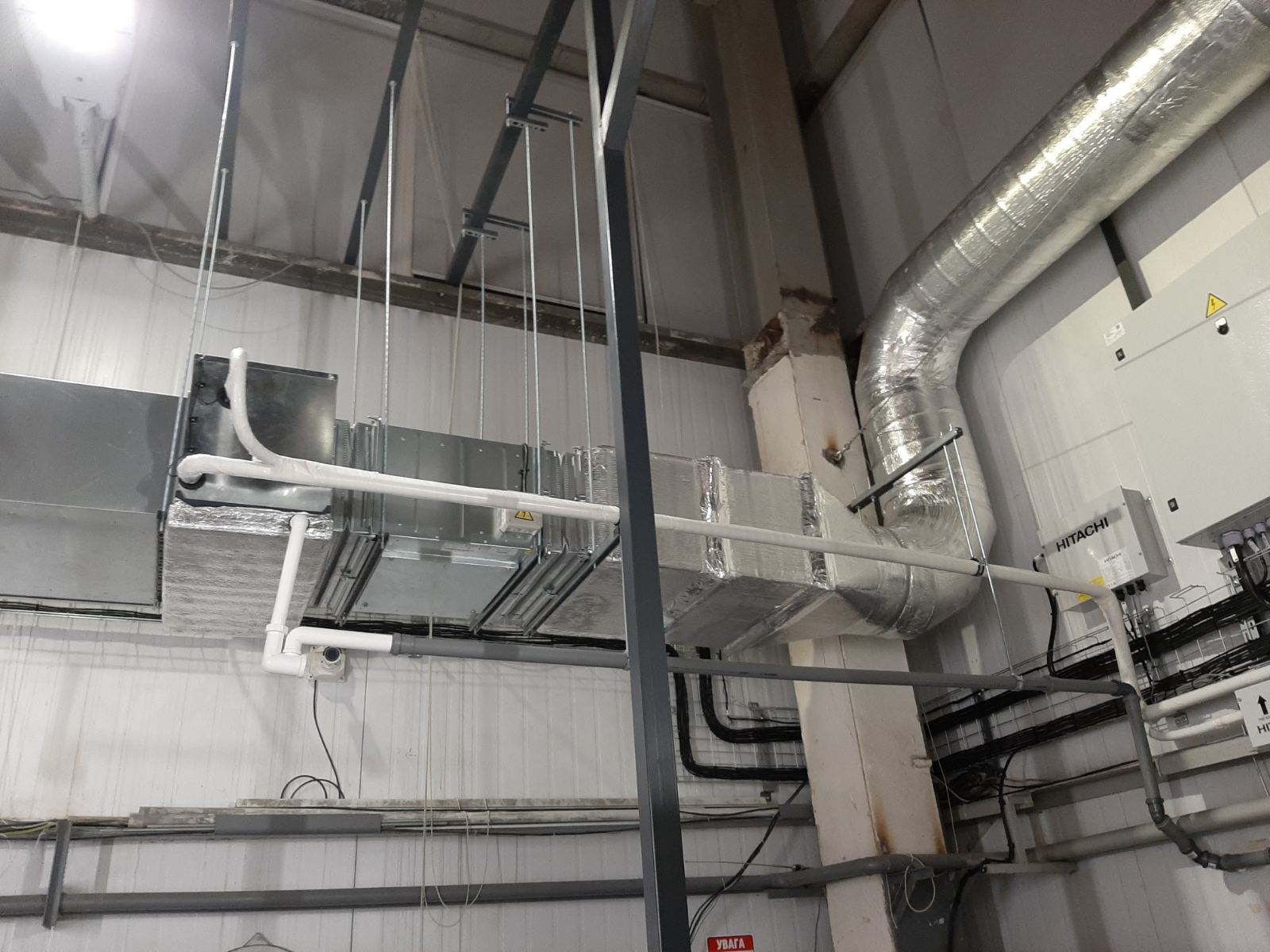
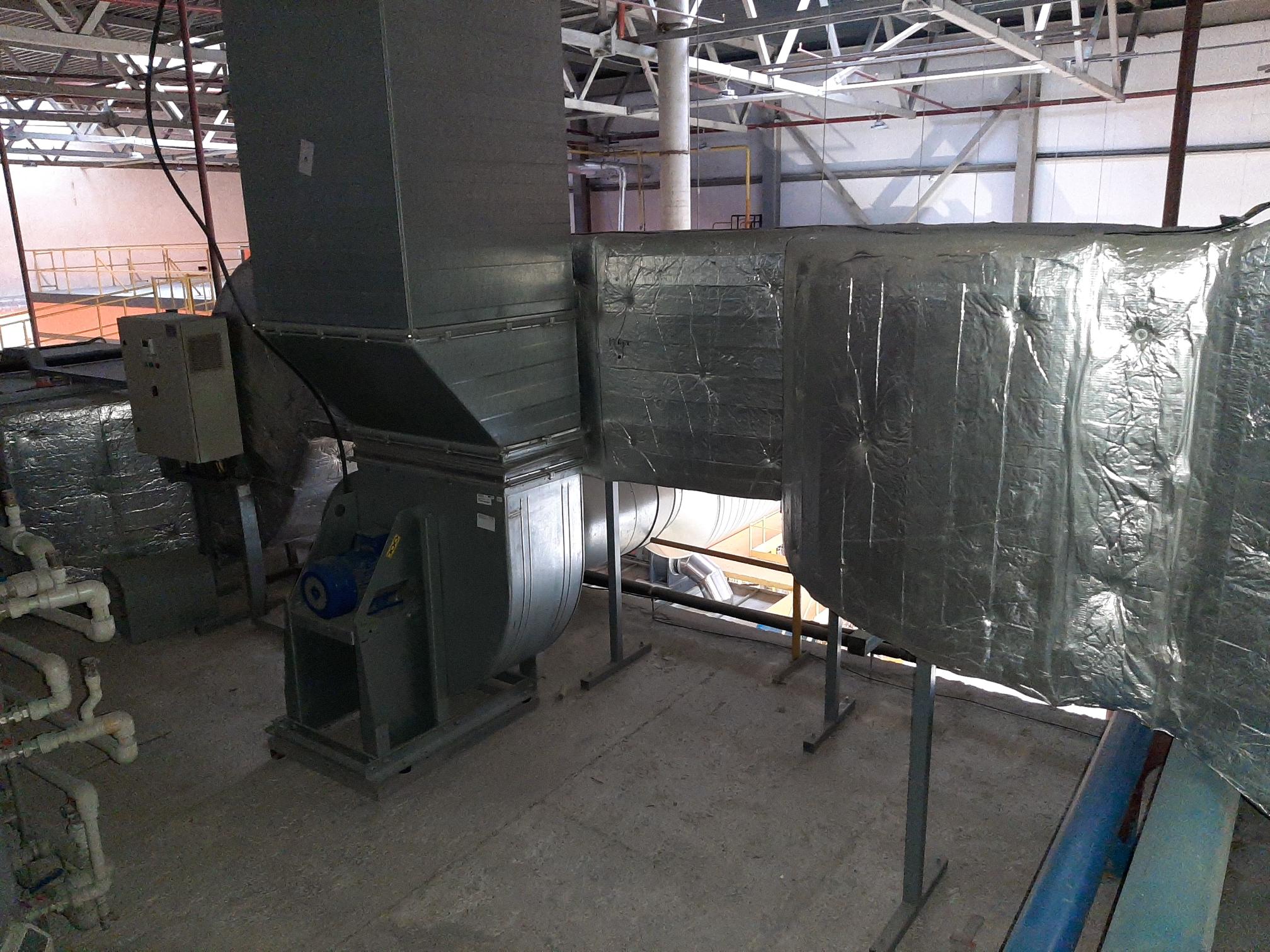
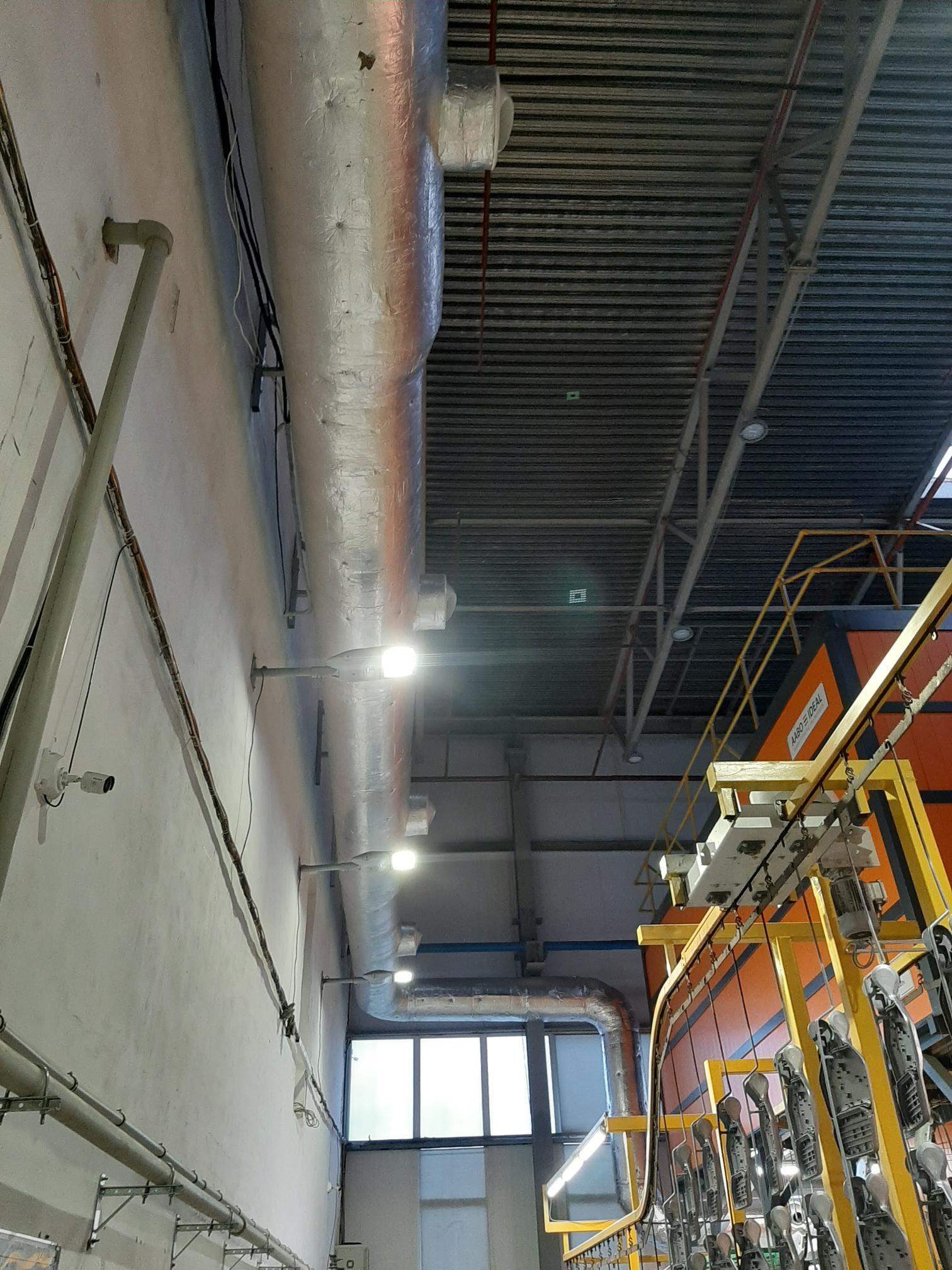
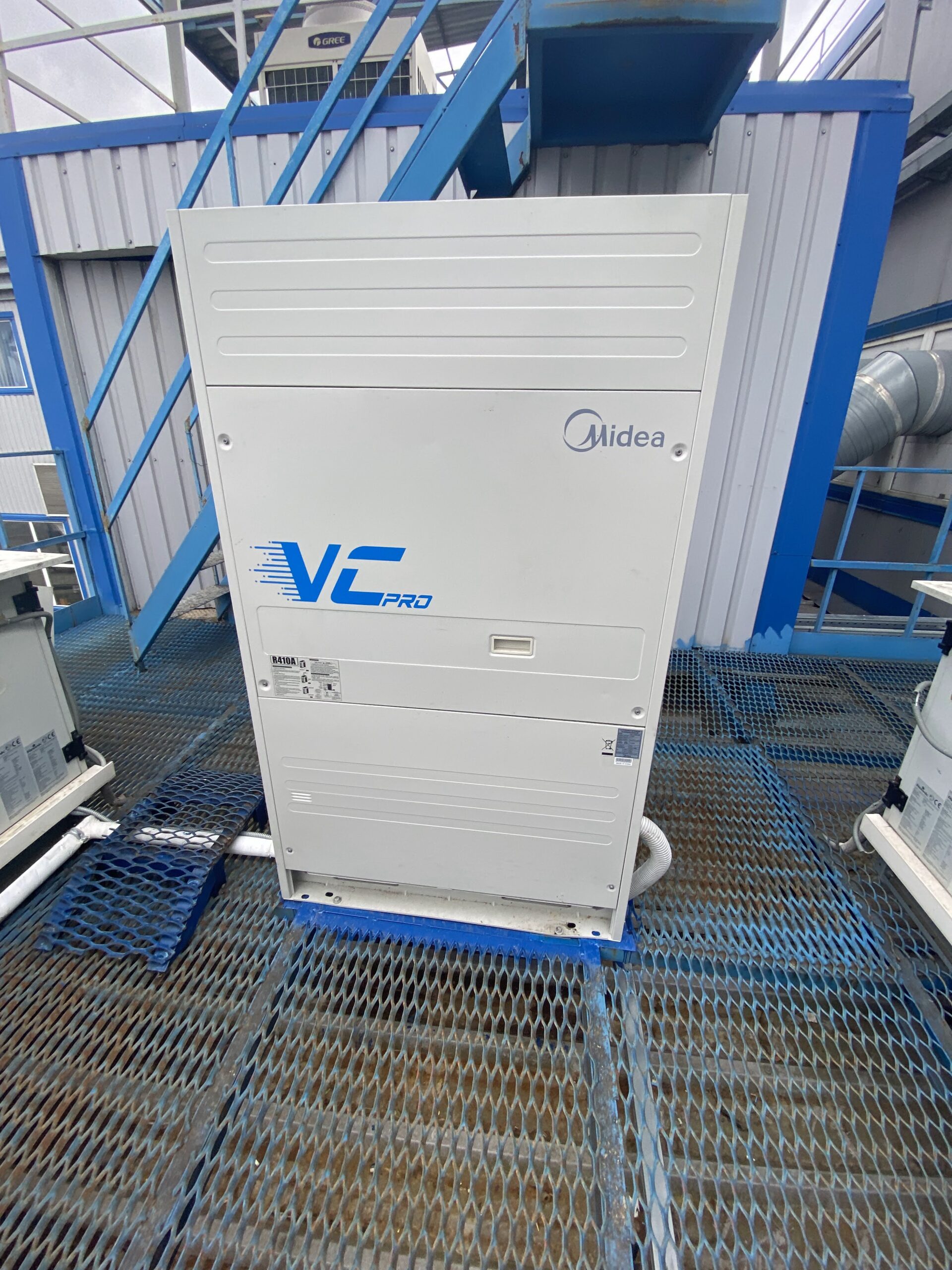
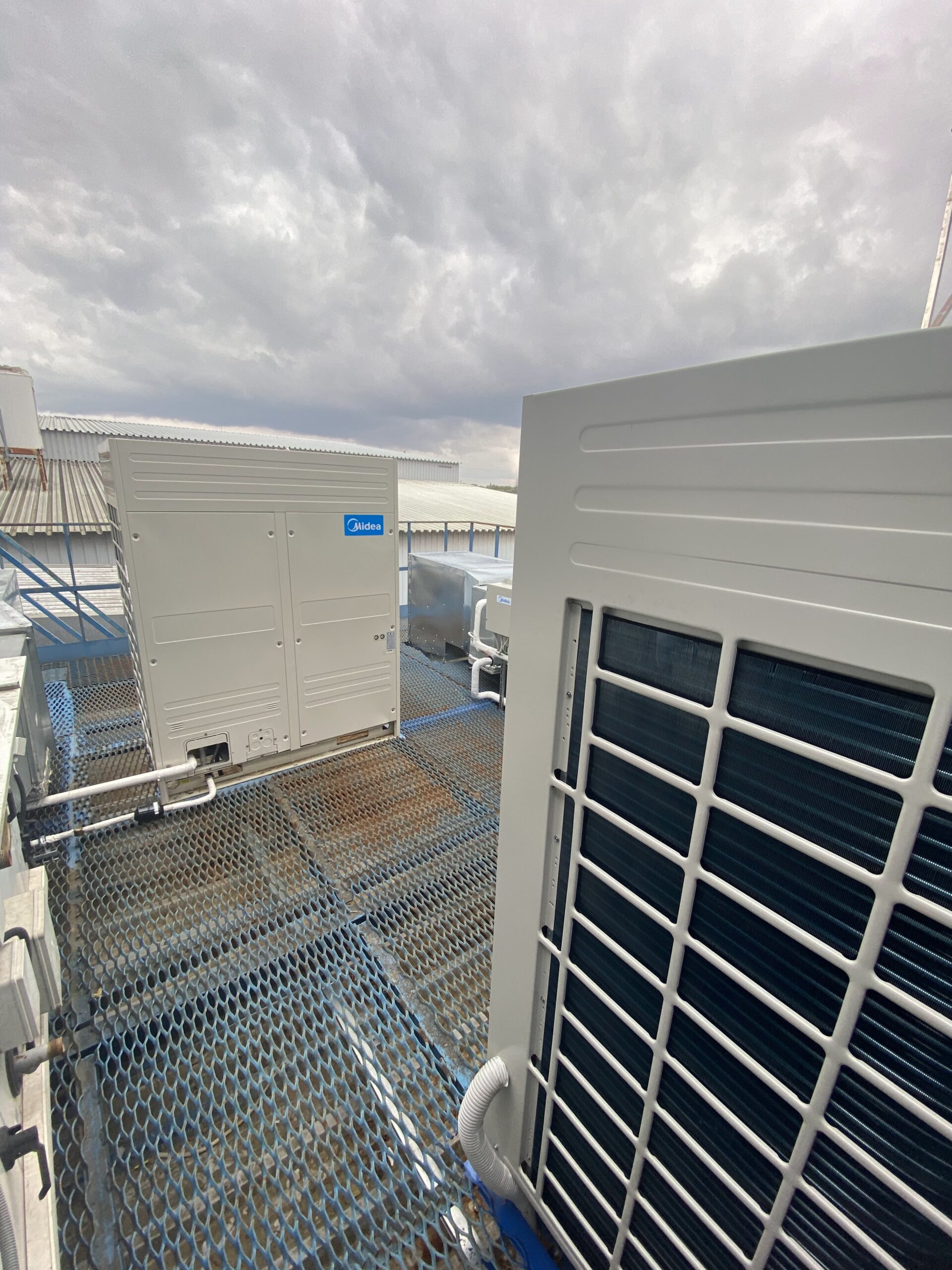
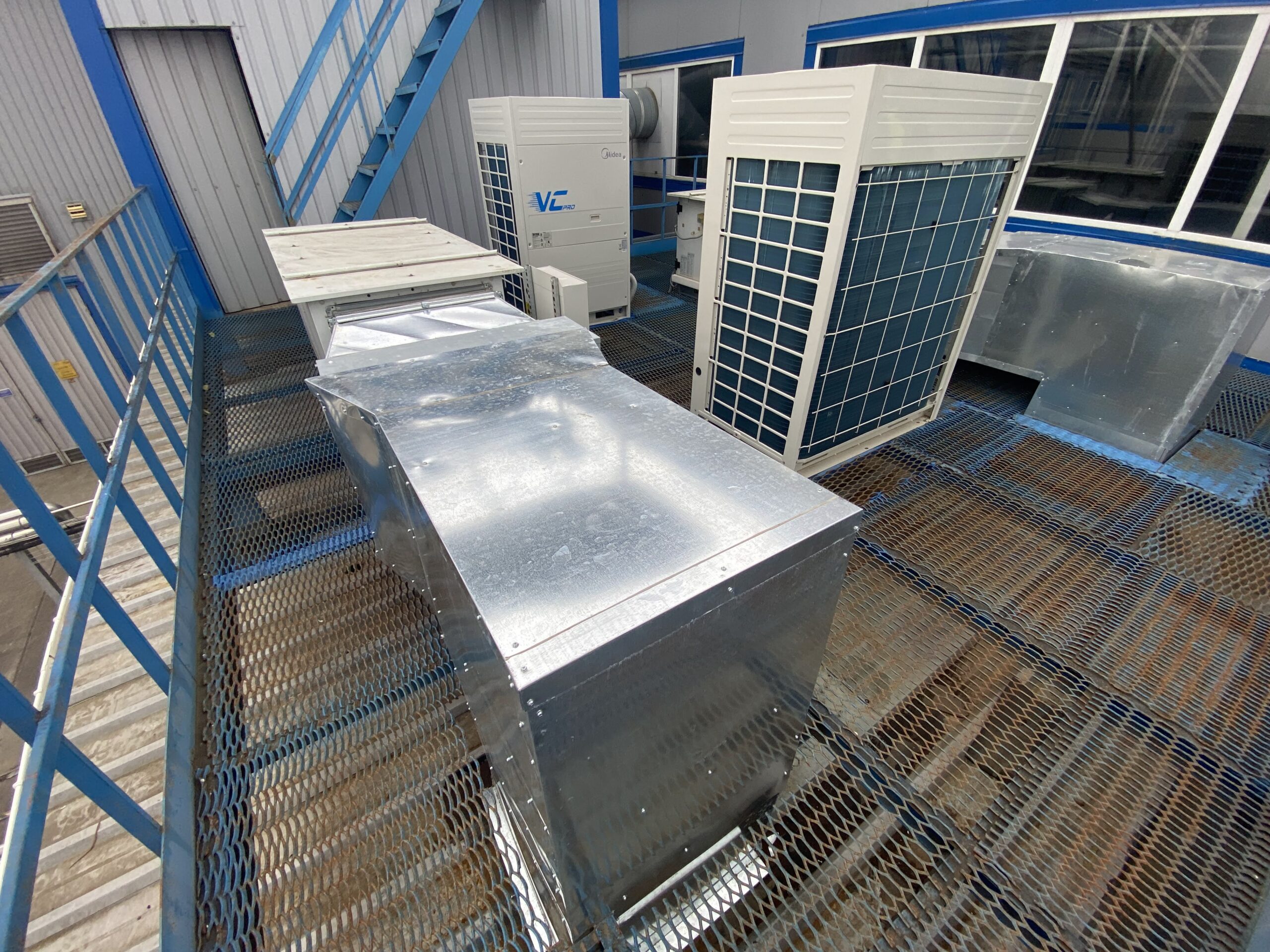
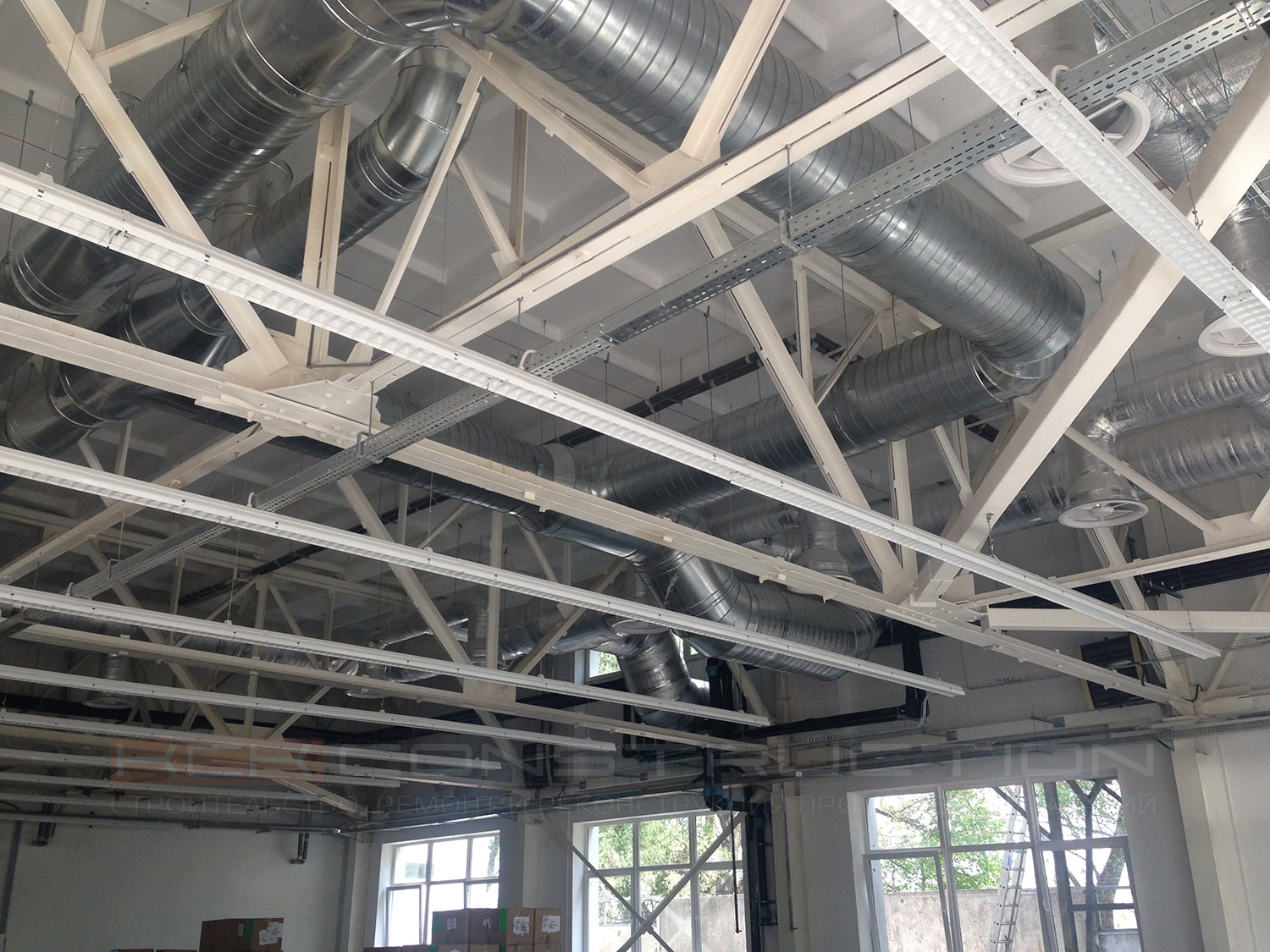
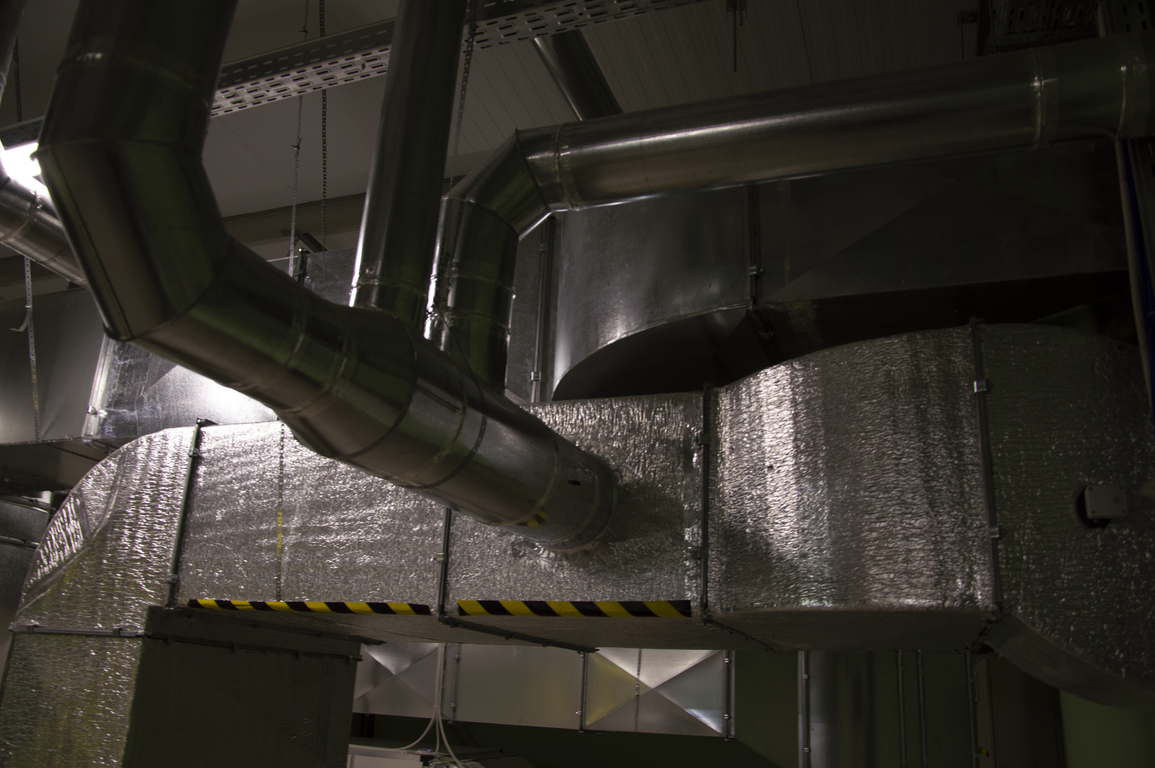
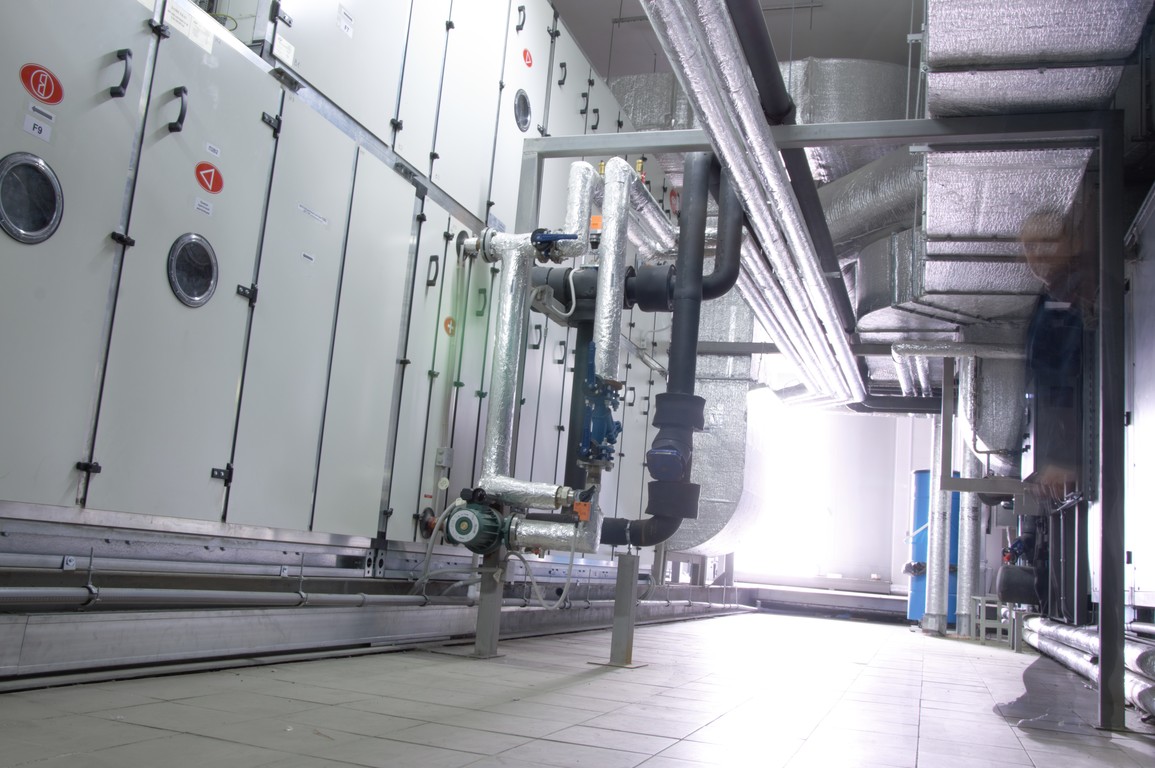
- heating, ventilation, and air conditioning;
- fire protection systems.
The building automation system consists of numerous separate subsystems, each of which autonomously controls its own equipment, and is united under a single common dispatching system. This control system allows dispatch terminals to control both the entire engineering system of the building as a whole and its individual parts, monitor the controlled subsystems and exercise overall control of the automation systems through them.
Automation of building engineering equipment is necessary for continuous monitoring of equipment. Automatic systems monitor, record, and keep track of the status of building equipment by themselves. In accordance with predefined programs, automation systems respond to changes in sensor readings and change the modes or parameters of building engineering systems. They notify personnel of emergency and critical conditions of engineering equipment, allowing dispatchers to make quick decisions in non-standard situations.
Automation of building engineering systems significantly reduces operating costs for their maintenance through economical use of energy resources and increased service life due to the efficient use of engineering equipment.
Power supply automation promptly detects malfunctions in electrical equipment or power supply networks that could pose a threat to human life, cause enormous damage to the economy or lead to mass production failures at the enterprise.
Power supply automation ensures uninterrupted power supply to critical consumers, avoiding associated risks, equipment downtime and economic losses.
Автоматизація управління освітленням.
Lighting control automation sets the optimal operating mode for lighting systems in rooms depending on external lighting, lighting requirements, the presence of personnel in the room, etc.
This saves energy and reduces building operating costs.
Automation of building engineering equipment in the field of electric lighting also includes remote lighting control, which is particularly relevant for buildings with a large number of light fixtures distributed over a large area.
Automation of water supply management.
Automation of hot and cold water supply management allows for optimal operation of pumping stations and heat distribution units. This saves electricity for pumping equipment and thermal energy for heating hot water, which reduces building operating costs.
Automation of building engineering equipment in the area of hot and cold water supply involves maintaining a stable water pressure in these systems, as well as a constant temperature in the hot water supply system.
Automation of heating, ventilation, and air conditioning systems.
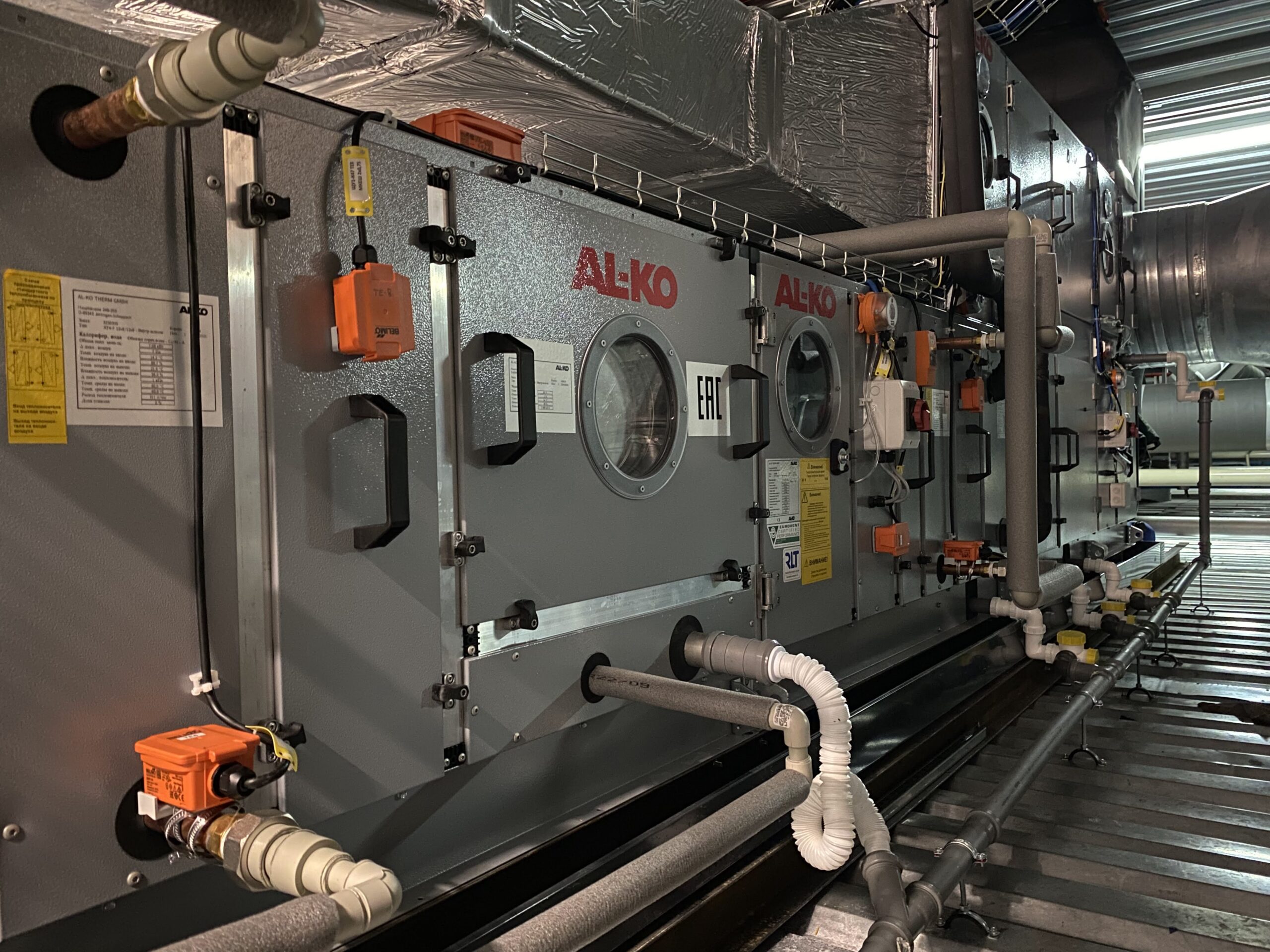
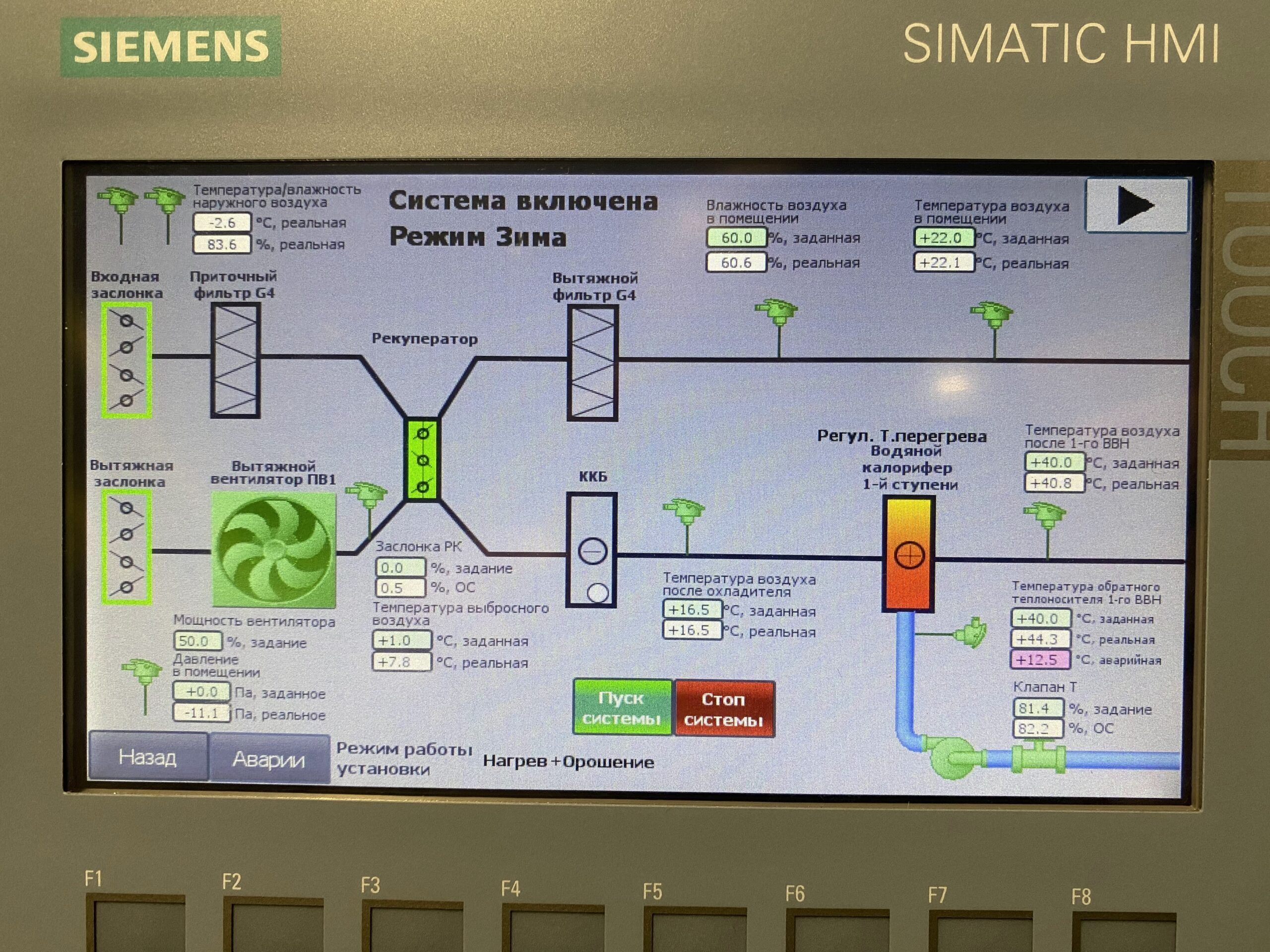
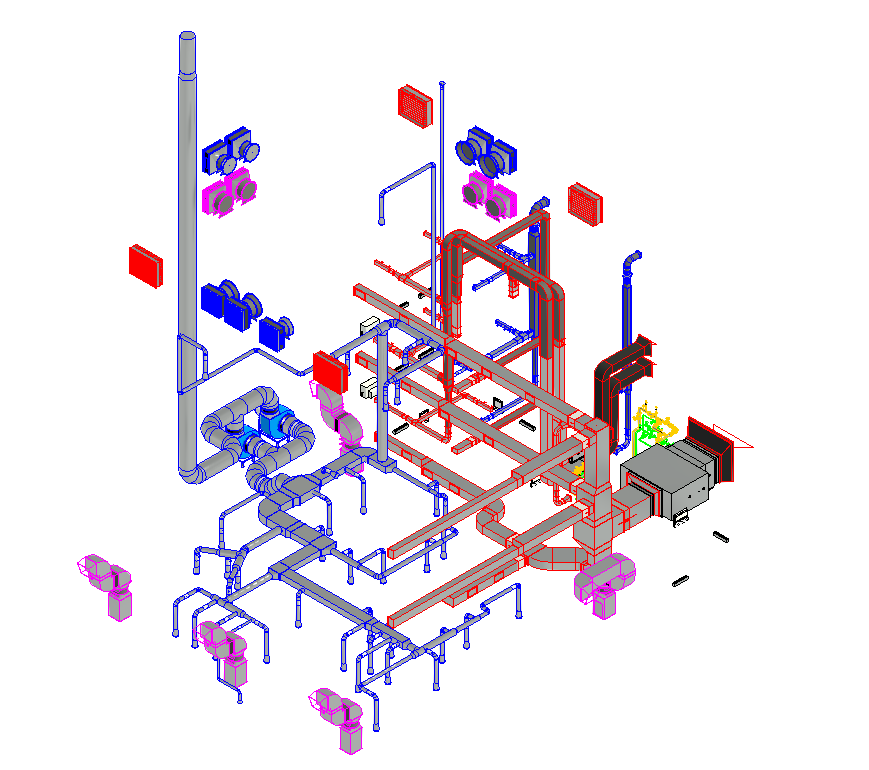
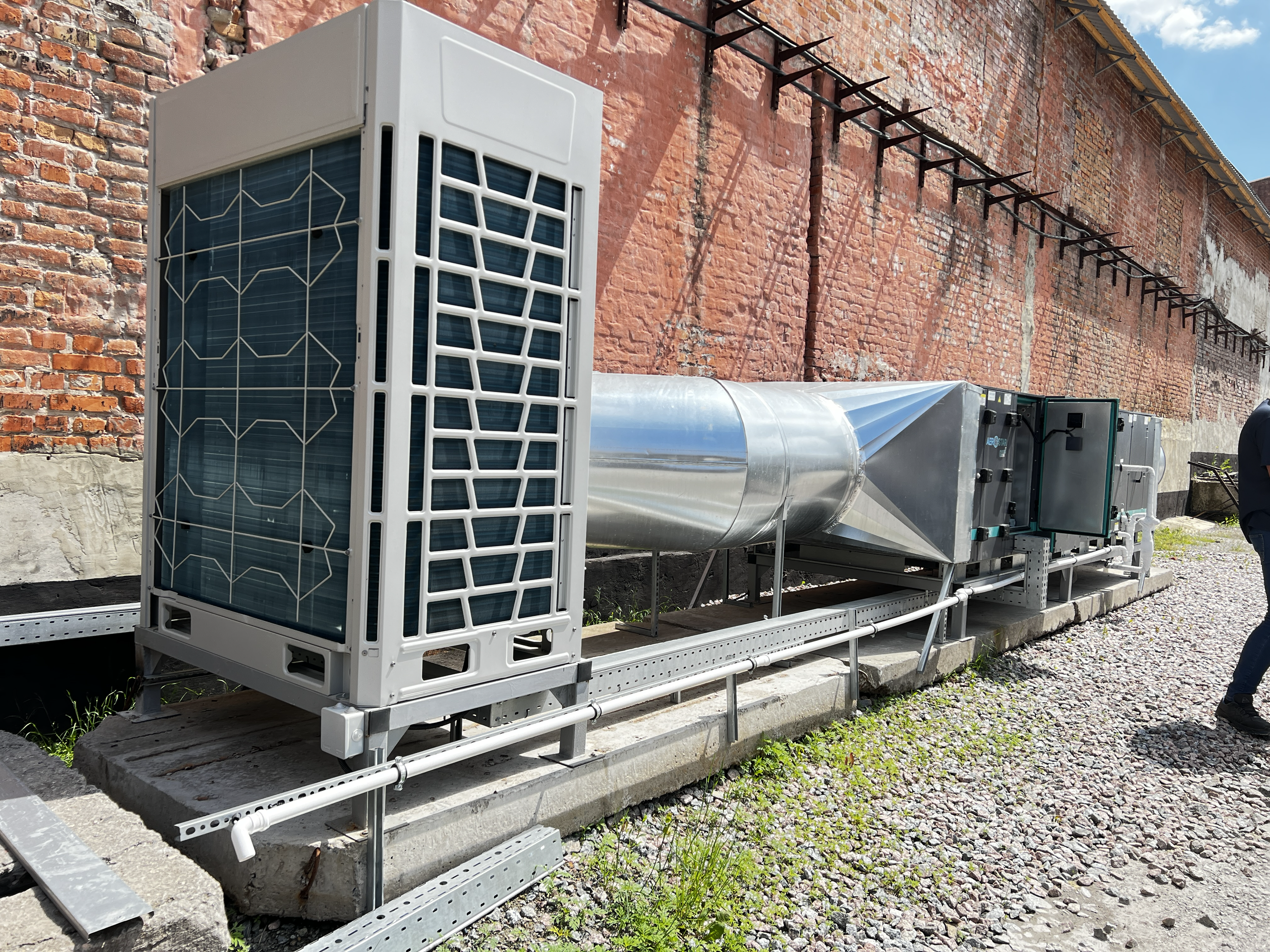
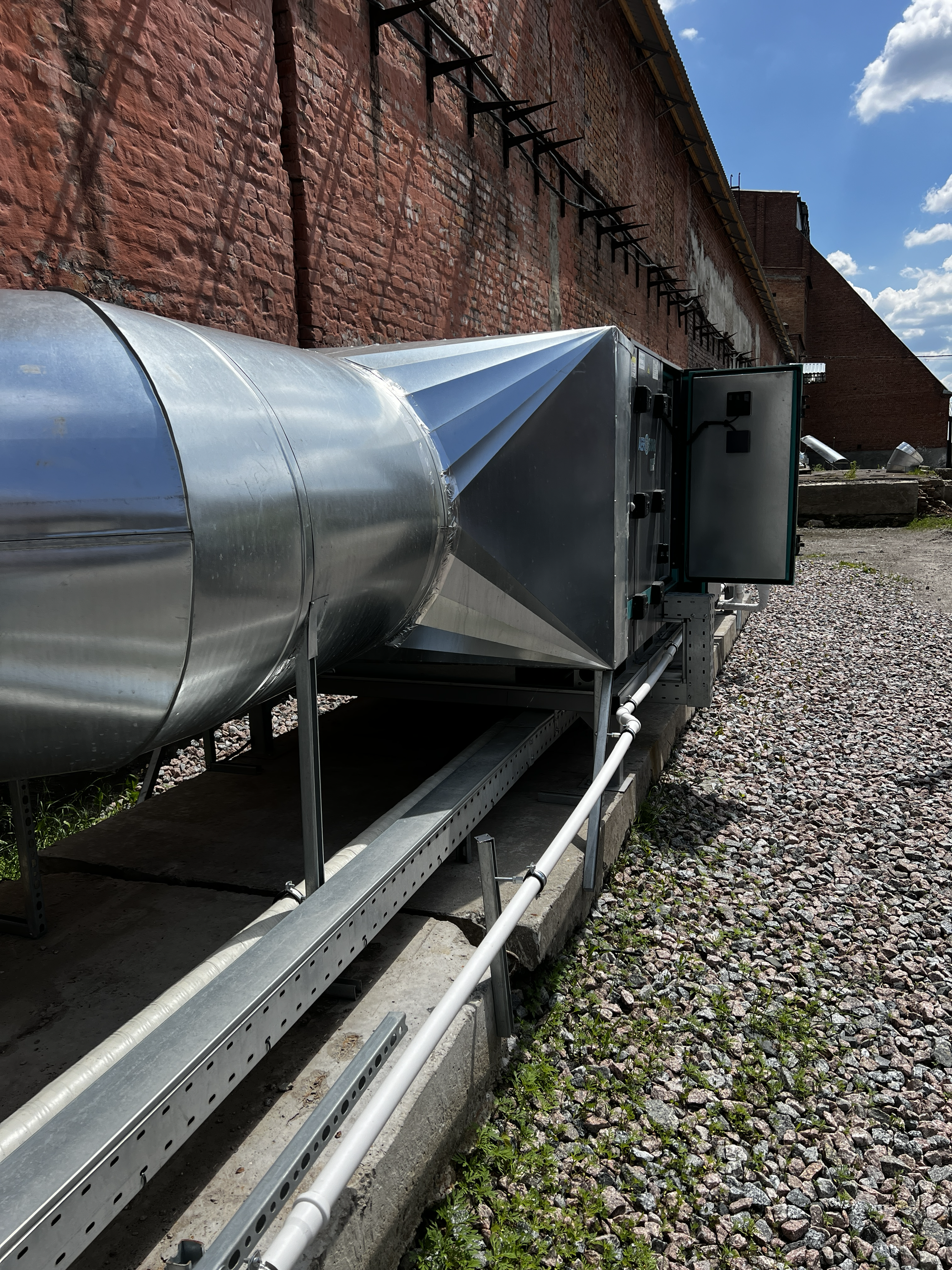
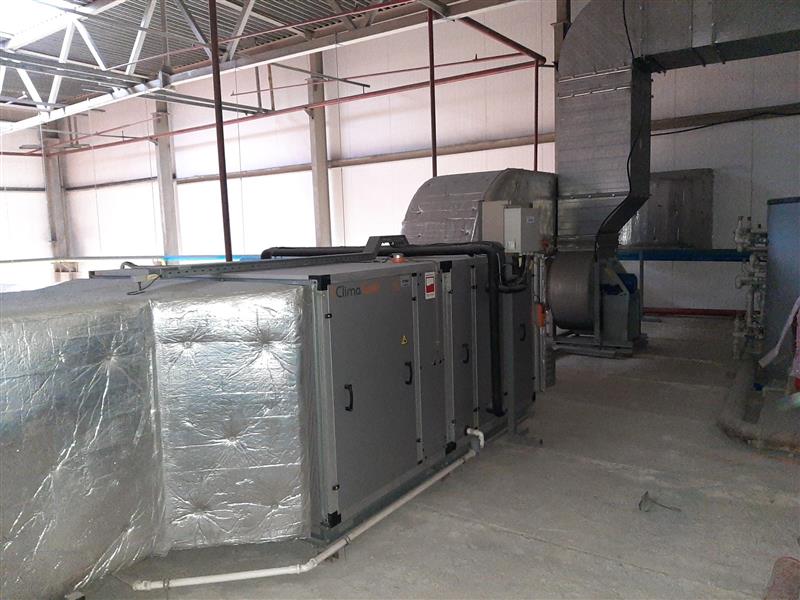
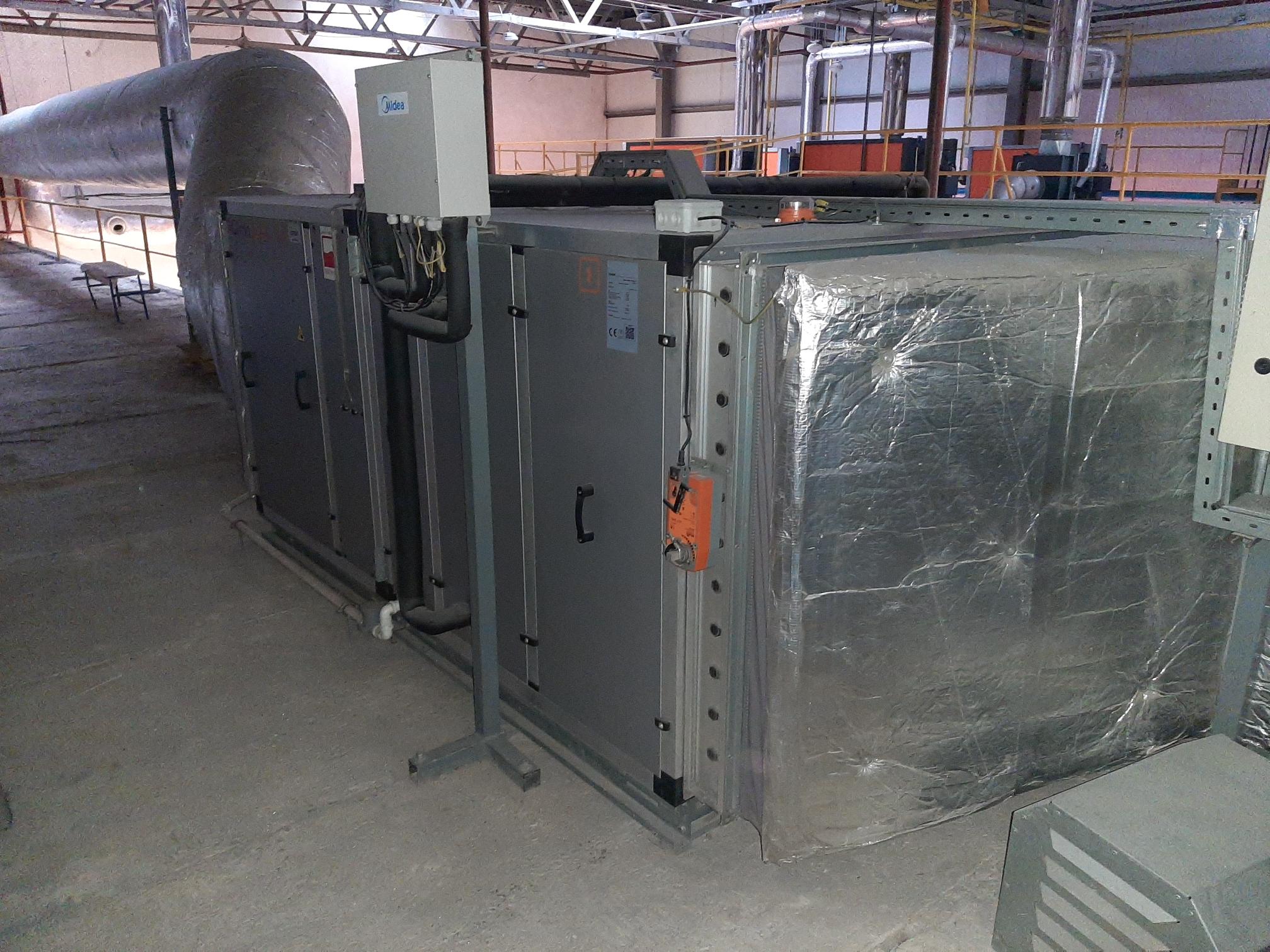
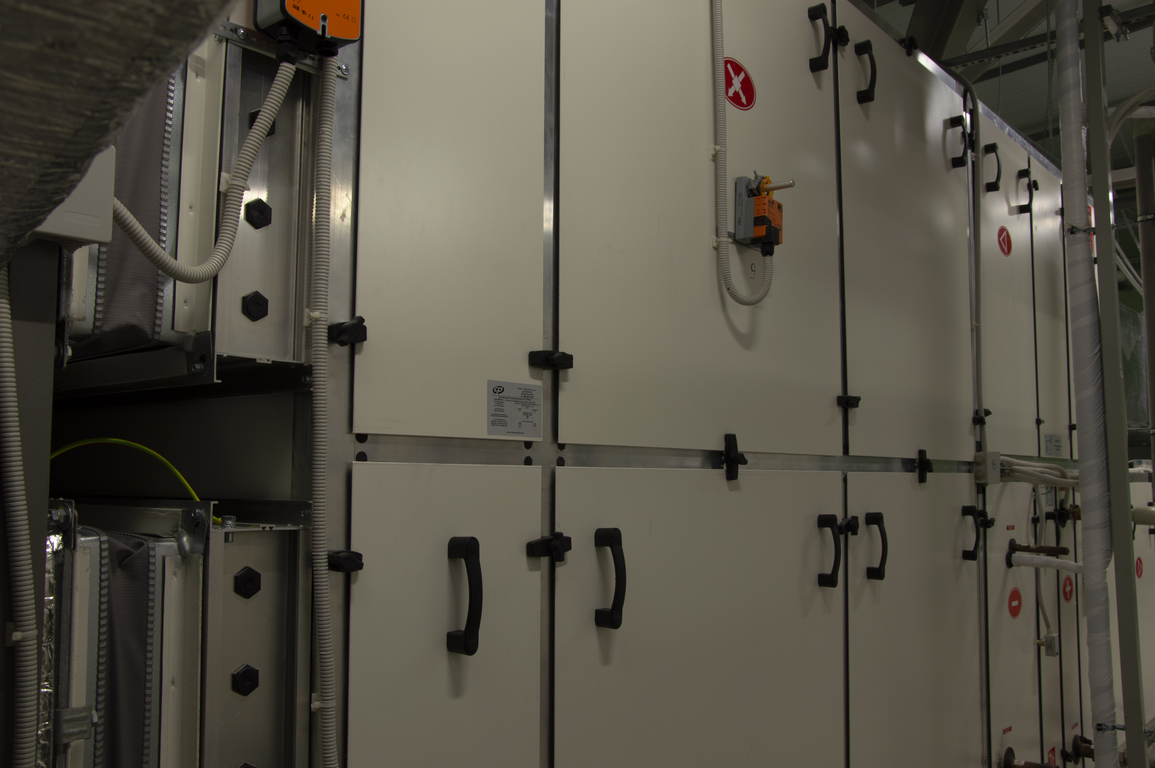
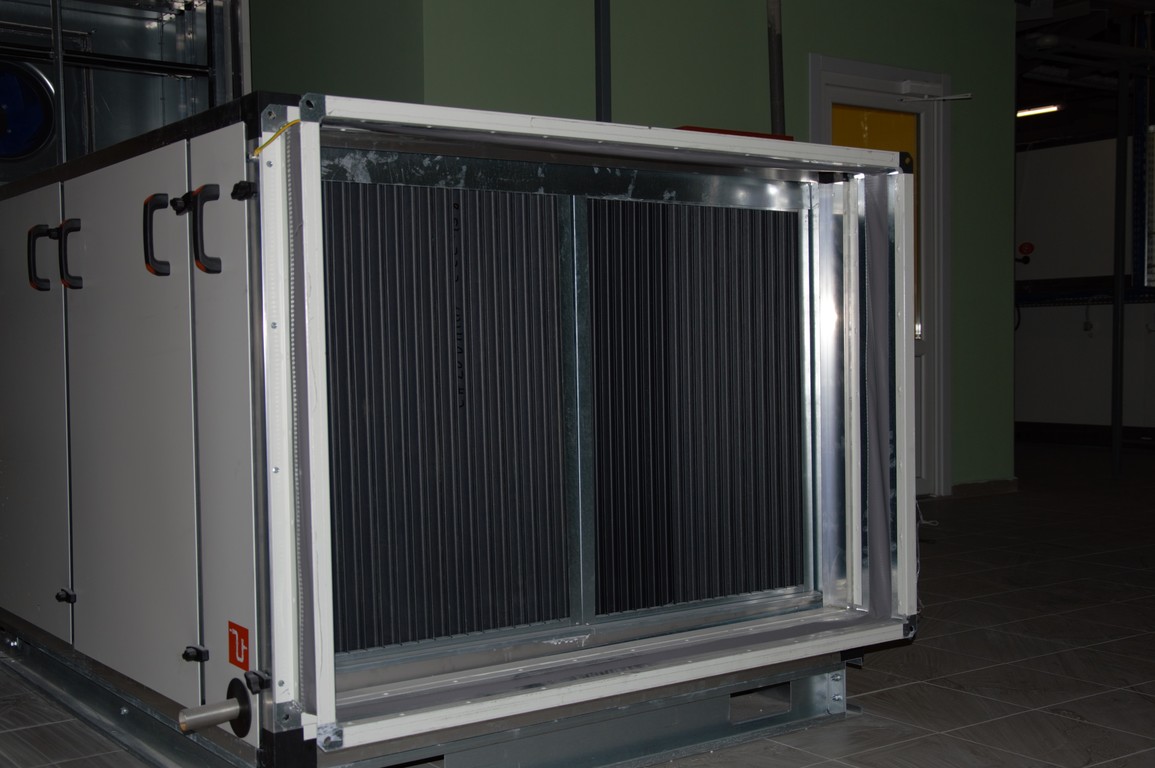
Ventilation and air conditioning systems are a set of equipment that provides the necessary treatment (filtration, heating or cooling, dehumidification or humidification, heat recovery) and supply of air to rooms, as well as removal of exhaust air from rooms.
Heating systems are designed for centralized heating of rooms during the cold season.
Appropriate automation systems are required for the correct and synchronized operation of heating, ventilation, and air conditioning systems.
Automation of heating, ventilation, and air conditioning systems includes:
- maintaining a specified temperature in rooms regardless of the outside air temperature;
- maintaining a specified humidity level in rooms by humidifying dry air and dehumidifying excessively humid air;
- maintaining CO2 levels in rooms that do not exceed regulatory values;
- maintaining a specified pressure difference between rooms (clean rooms);
- efficient use of energy resources (heat transfer fluid, coolant, electricity).
Automation of fire protection systems management.
Automation of fire protection systems management includes:
- monitoring of premises with smoke detectors, determination of the fire zone;
- control of the automatic water fire extinguishing station;
- control of smoke removal and air supply systems;
- alerting personnel about a fire.
ProfInstall employees take responsibility for finalizing complete and accurate technical specifications in collaboration with the customer’s representatives.